How Much Protein In A Chicken Leg
A practical step-by-step guide to how much protein in a chicken leg, including preparation, instructions, common issues, tips, and next steps.
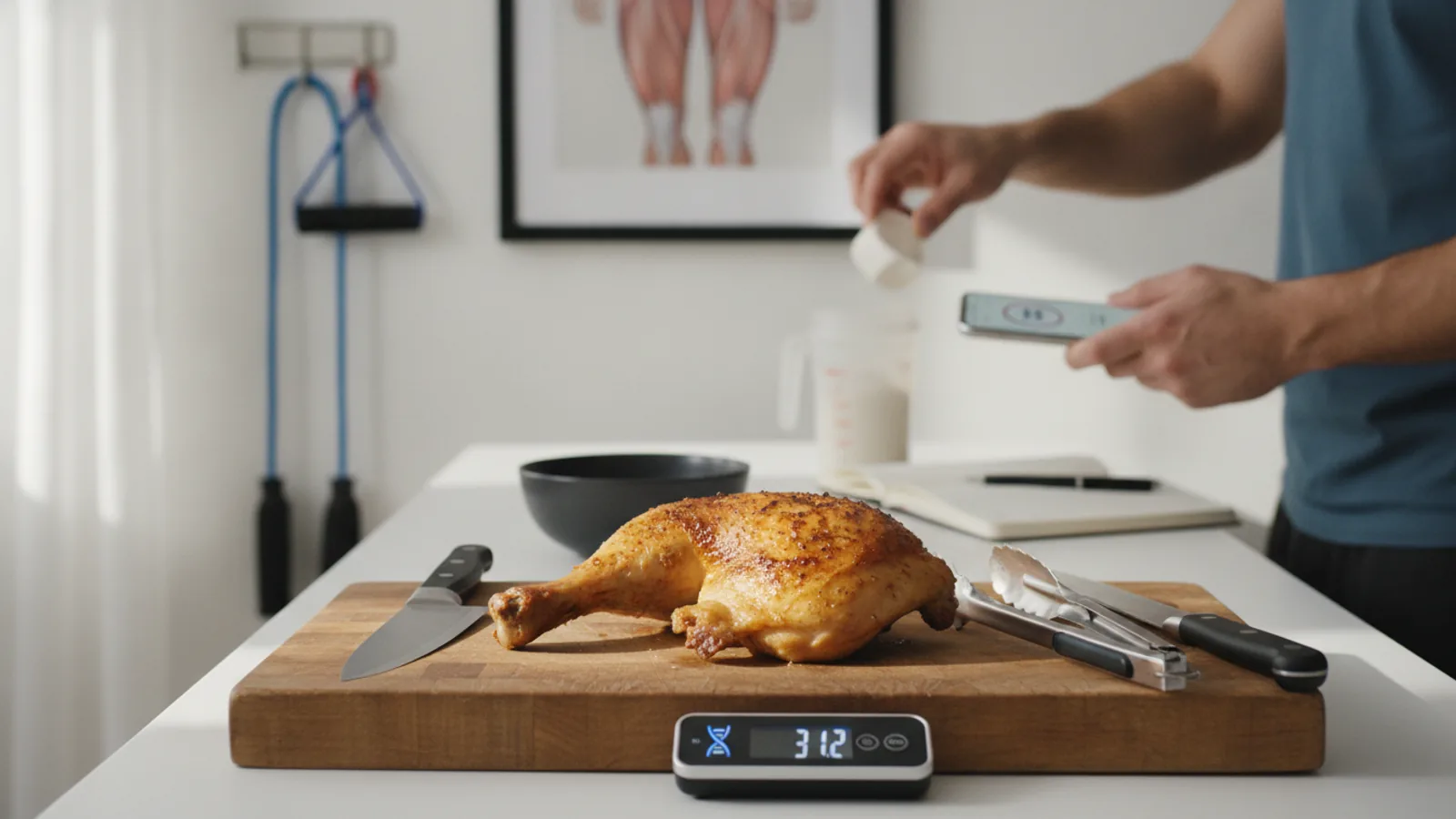
How Much Protein In A Chicken Leg
Figuring out the exact protein content in a chicken leg can feel tricky, as it depends heavily on the size, cooking method, and whether you eat the skin. This guide provides a clear, step-by-step method to accurately calculate the protein in your specific portion. Knowing this information is crucial for anyone tracking their macros for fitness goals, muscle building, or weight management. We'll walk you through using a simple kitchen scale and a reliable online database to get a precise number, removing all the guesswork from your meal planning.
Fast Answer
- Average Medium Leg (100g / 3.5 oz of meat): ~26 grams of protein (roasted, skinless)
- With Skin: Slightly less protein per gram, significantly more fat and calories.
- Key Factor: The final protein amount depends on the weight of the edible meat only, not the whole leg with bones.
Before You Start
To get an accurate measurement, you can't rely on estimates. You need a couple of simple tools and the right mindset. The goal is to weigh the part you actually eat—the meat and skin (if you choose)—after it's been cooked and separated from the bones.
- A digital kitchen scale: This is essential for accuracy. Guessing the weight is the most common source of error.
- A plate or bowl: To hold the chicken meat while you weigh it.
- A cooked chicken leg: This process is for calculating protein in a meal you're about to eat, not for raw chicken.
- Internet access: To use a reliable nutrition database like the USDA's FoodData Central.
Step-by-Step Instructions
Follow these steps carefully to move from a whole cooked chicken leg to a precise protein count for your food log.
Prepare Your Cooked Chicken Leg
Start with a fully cooked chicken leg. The cooking method matters because it affects the final weight and nutrient density. For example, roasting or baking can cause the chicken to lose water and fat, concentrating the protein. Frying, on the other hand, can add fat and weight from oil and breading. For this guide, we'll assume a standard roasted chicken leg, but you'll be able to adjust based on your specific meal. Let the chicken cool down just enough so that it's safe and comfortable to handle.
Separate the Edible Meat from the Bone
This is the most hands-on part of the process. Using a fork and knife or your fingers, carefully remove all the meat from the bones of the thigh and drumstick. Place the meat onto your clean plate or bowl. During this step, you need to make a key decision: are you eating the skin? If you are, include it with the meat. If you are not, discard it. This choice significantly impacts the final calorie and fat content, and slightly affects the protein calculation. Be thorough and try to get as much of the meat off the bone as possible to ensure your measurement reflects what you actually consume.
Weigh the Edible Portion Accurately
Turn on your digital kitchen scale. Place your empty bowl or plate on the scale. The screen will show the weight of the container. Now, press the "Tare" or "Zero" button. This resets the scale to zero, ignoring the weight of the container. This step is critical for an accurate reading. Once the scale reads "0 g", add all the separated chicken meat (and skin, if you're including it) to the bowl. Record the weight displayed on the scale. This number, in grams, is the precise weight of your edible portion.
Find a Reliable Nutrition Source Online
Now that you have the weight, you need to find out how much protein is in that specific type of chicken per gram. Avoid generic blog posts or forums for this data. The best source for public nutrition data in the US is the USDA FoodData Central website. Open a web browser and search for it. This database is managed by the U.S. Department of Agriculture and is the foundation for most nutrition apps and labels.
Search for the Correct Food Entry
On the FoodData Central website, use the search bar. Be as specific as possible. A good search term would be "chicken leg, roasted, meat only" or "chicken thigh, roasted, with skin". The database will return several options. Look for an entry that matches your preparation method as closely as possible. Click on the most relevant result. You will see a detailed nutrition label, often for a 100-gram serving. Find the line item for "Protein". This tells you how many grams of protein are in 100 grams of that specific food.
Calculate the Total Protein in Your Portion
You now have the two numbers you need: the weight of your meat (from the scale) and the protein per 100 grams (from the database). The final calculation is simple. Use this formula:
(Your Meat Weight in Grams / 100) x (Protein per 100g) = Total Protein
For example, let's say your separated chicken meat weighed 110 grams. You looked up "roasted chicken leg, meat only" and the USDA database said it has 27 grams of protein per 100g. Here's the math:
(110g / 100) x 27g = 1.1 x 27g = 29.7 grams of protein.
So, your specific chicken leg provided you with 29.7 grams of high-quality protein. You can now log this precise number in your nutrition tracker or food journal.
Quick Reference
| Situation | Use this | Why |
|---|---|---|
| Just need a rough estimate | Use an average of 25-30g protein per medium leg. | Good for general planning, but not for precise macro tracking. |
| You ate the crispy skin | Search for a database entry "with skin". | The skin changes the fat, calorie, and protein ratio. It must be accounted for. |
| Your chicken was fried | Search for a database entry that includes "fried". | Frying adds significant fat and calories from oil and breading. |
| No internet access | Weigh the meat and use 26g of protein per 100g as a baseline for skinless chicken. | This is a solid, general-purpose number for roasted/baked chicken meat. |
Common Problems When You Measure Protein in a Chicken Leg
Even with a straightforward process, small mistakes can lead to inaccurate numbers. Here are the most common issues and how to fix them.
-
Problem: Using the weight of the whole leg (with bones).
The Fix: This is the biggest and most common error. Bones are heavy and contain no edible protein. You must always separate the meat from the bone and weigh only the part you are going to eat. There is no reliable conversion factor from whole-leg weight to meat weight because it varies too much.
-
Problem: Forgetting to tare the scale with the bowl on it.
The Fix: If you weigh your meat in a bowl but don't zero out the scale first, you're also weighing the bowl. This can add 50-200 grams or more of "phantom weight," completely ruining your calculation. Always place the empty container on the scale, press "Tare" or "Zero," and wait for it to read 0 before adding your food.
-
Problem: Using nutritional data for raw chicken.
The Fix: Raw chicken contains a lot of water, which is lost during cooking. This makes it heavier than its cooked counterpart. For example, 130g of raw chicken might become 100g after cooking. If you use the raw weight with data for cooked chicken, or vice versa, your numbers will be wrong. Always match the state of your food (cooked) with the database entry (cooked).
-
Problem: Choosing a poorly matched entry in the database.
The Fix: The difference between "roasted, skinless" and "fried, battered, with skin" is enormous. Take an extra 30 seconds to find the entry that truly represents the meal you ate. Specificity is key to accuracy in nutrition tracking.
Advanced Tips for how much protein in a chicken leg
For those who are serious about precision in their nutrition, these advanced techniques can help you dial in your numbers even further.
- Create an Average for Meal Prep: If you cook a large batch of chicken legs for the week, you can establish a reliable average. Cook 5 legs, separate all the meat, and weigh the total amount of meat. Then, divide that total weight by 5. This gives you a very accurate "average meat yield per leg" for your specific brand and cooking method, saving you time on future calculations.
- Account for Sauces and Marinades: Marinades and glazes can add sugar, fat, and sodium. For maximum accuracy, you can weigh the chicken leg before and after marinating to see how much liquid it absorbed. Then, use a nutrition app to calculate the nutrients in the marinade itself and add a portion of that to your final chicken leg entry. For most people, this is unnecessary, but for competitive athletes or those on strict medical diets, it can be useful.
- Understand the Thigh vs. Drumstick Difference: A full chicken leg is composed of two parts: the thigh and the drumstick. Dark meat, like that found in a leg, is generally higher in fat than white meat (like a chicken breast). Within the leg, the thigh meat contains slightly more fat and therefore slightly less protein per gram than the leaner drumstick meat. For 99% of people, calculating the whole leg together is perfectly fine. However, if you were to eat only the drumstick, you could look up its specific nutrition data to get a slightly higher protein-per-gram value.
- Leverage Nutrition Tracking Apps: While we recommend using the primary USDA source for learning, day-to-day tracking is much faster with an app like MyFitnessPal, Cronometer, or Lose It!. These apps use the USDA database but provide a faster interface and allow you to save frequent foods. You can even create a custom entry called "My Roasted Chicken Leg" with the exact protein-per-gram value you calculated, making future logging a one-click process.
How Much Protein In A Chicken Leg FAQ
How much protein is in an average chicken thigh versus a drumstick?
Does eating the chicken skin add a lot of protein?
What's the difference in protein between a roasted and a fried chicken leg?
Can't I just use a standard value for a "chicken leg" without weighing it?
Why is getting an accurate protein count so important?
Final Checklist for how much protein in a chicken leg
Use this checklist to ensure you get an accurate protein count every time.
- Chicken leg is fully cooked before you begin.
- All edible meat has been carefully separated from the bones.
- A clear decision was made to either include or discard the skin.
- The empty plate/bowl was placed on the scale and the scale was tared to zero.
- The separated meat was weighed and the value in grams was recorded.
- A reliable database (like USDA FoodData Central) was used to find nutrition data.
- The database entry matches your cooking method (roasted, fried, etc.) and skin choice.
- The final protein amount was calculated using the weight of your specific portion.