How Much Protein In Potatoes
A practical step-by-step guide to how much protein in potatoes, including preparation, instructions, common issues, tips, and next steps.
How Much Protein In Potatoes
Potatoes are a staple in many diets, but they're often seen only as a source of carbohydrates. This guide provides a clear, step-by-step process for accurately determining how much protein is in your potatoes. Whether you're tracking macros for fitness goals, planning balanced meals, or just curious about nutrition, you'll learn how to go beyond simple estimates to get precise numbers based on potato type, size, and cooking method. Follow these instructions to confidently account for every gram of protein in your meals.
Fast Answer
- Medium Baked Russet (200g): Approximately 4-5 grams of protein.
- Key Factor: Protein content varies with potato size, type, and whether the skin is eaten.
Before You Start
- Digital kitchen scale: For accurately weighing your potato. Guessing serving size is the most common source of error in nutritional tracking.
- Access to a reliable nutrition database: We recommend the USDA FoodData Central for unbiased, comprehensive information. Many nutrition tracking apps also pull data from this source.
- Basic calculator: To calculate the protein content based on the weight of your potato.
Step-by-Step Instructions
Step 1: Identify Your Potato Type
Not all potatoes are created equal when it comes to nutrition. The specific variety you're using will have a slightly different protein profile. While the differences aren't massive, they can add up if you're eating potatoes regularly and tracking your intake closely.
Common types include:
- Russet Potatoes: Often used for baking and frying. A popular choice with a moderate protein content.
- Red Potatoes: Typically smaller with waxy skin. Their nutritional profile is similar to Russets.
- Sweet Potatoes: Though botanically different, they are often used similarly. They generally have slightly less protein than Russet potatoes of the same weight.
- Yukon Gold Potatoes: Known for their buttery texture, they fall within the same general protein range.
For this guide, we'll primarily use a Russet potato as our main example, as it's one of the most common varieties in the US.
Step 2: Weigh Your Potato Raw
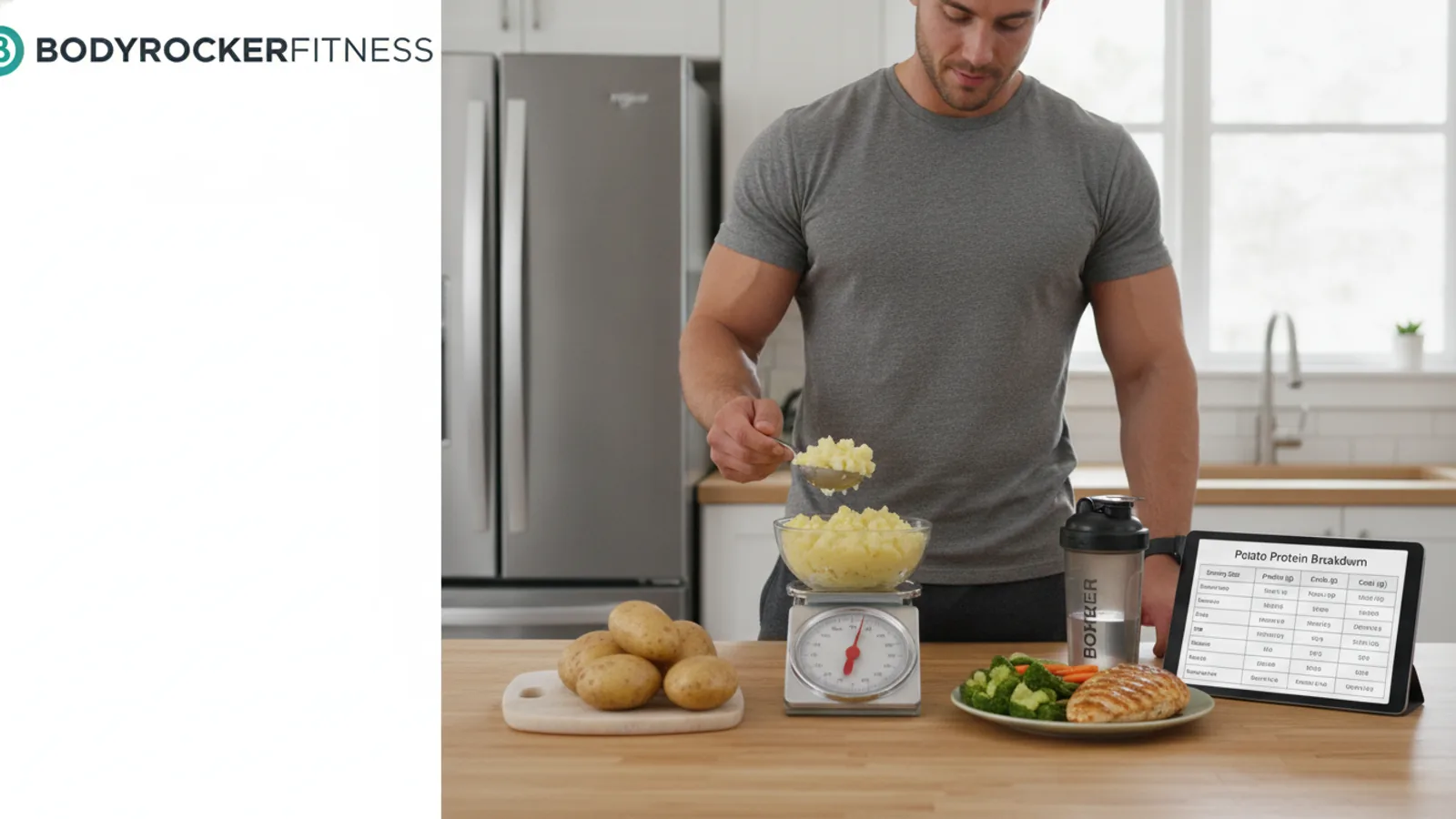
This is the most critical step for accuracy. Terms like "medium" or "large" are subjective and can lead to significant miscalculations. Using a digital kitchen scale removes all guesswork.
- Place your empty bowl or plate on the kitchen scale and press the "tare" or "zero" button. This subtracts the container's weight.
- Place your clean, raw potato (or potatoes) on the plate.
- Note the weight in grams (g). Grams are the standard unit for most nutritional databases and allow for the easiest calculations.
For example, let's say our raw Russet potato weighs 213 grams.
Step 3: Find Reliable Nutrition Data
Now that you have the weight, you need to find out how much protein is in that specific type of potato per gram. Avoid using generic blog posts or unverified websites for this information, as it can be inaccurate. Your best bet is a national food database.
- Go to the USDA FoodData Central website. It is a free and comprehensive resource.
- In the search bar, type a precise description of your food. For our example, we would search for "potato, russet, raw".
- Look for an entry from a trusted source, often labeled "SR Legacy" or from a major agricultural source.
- Click on the most relevant entry. You will see a detailed nutritional table. Find the "Protein" line. The value is typically listed per 100g serving.
According to the USDA database, a raw Russet potato contains approximately 2.1 grams of protein per 100g.
Step 4: Calculate the Total Protein
With the weight of your potato and the protein-per-100g value, you can now do a simple calculation to find your total protein content.
The formula is:
(Your Potato's Weight in grams / 100) x Protein per 100g = Total Protein
Using our example:
(213g / 100) x 2.1g = 2.13 x 2.1g = 4.47g of protein
So, our 213-gram raw Russet potato contains about 4.5 grams of protein. This is the most accurate figure for the raw ingredient.
Step 5: Account for Your Cooking Method
Cooking changes a potato's weight, primarily through water loss. A baked potato weighs less than its raw version, which means the nutrients, including protein, become more concentrated per gram. This can be confusing, but there are two ways to handle it.
- Method A (Easiest): Use Raw Data. The easiest and most common method for macro tracking is to log the raw ingredients. Since the amount of protein itself doesn't change during cooking (it doesn't evaporate), the 4.5g of protein we calculated in the previous step is the final number, regardless of whether you bake, boil, or roast it. You simply log the raw potato in your tracking app.
- Method B (Advanced): Use Cooked Data. If you're eating a potato prepared by someone else or forgot to weigh it raw, you can use data for cooked potatoes. You would weigh the cooked potato and search the USDA database for "potato, baked, flesh and skin." The database will show a higher protein value per 100g because the water weight is gone. This method is less accurate because the amount of water loss can vary.
Step 6: Don't Forget the Toppings
A plain potato is rarely eaten alone. The toppings you add can easily double or triple the final protein content (and calories). Be sure to measure and log everything you add to get a complete picture of your meal.
Consider the protein in common additions:
- Greek Yogurt (1/4 cup): ~6 grams of protein
- Shredded Cheddar Cheese (1/4 cup): ~7 grams of protein
- Bacon Bits (1 tablespoon): ~3 grams of protein
- Sour Cream (2 tablespoons): ~1 gram of protein
Adding just cheese and Greek yogurt to our 4.5g protein potato could bring the meal's total protein to over 17 grams. This highlights why tracking your additions is just as important as measuring the potato itself.
Quick Reference
| Situation | Use this | Why |
|---|---|---|
| I just need a quick, general estimate. | Use an average value, like "4g protein for a medium baked potato." | This is fine for casual eating but not precise enough for strict macro tracking. |
| I need maximum accuracy for my fitness goals. | Weigh the potato raw on a kitchen scale and use USDA data to calculate. | This eliminates guesswork and accounts for the exact size of your portion. |
| I'm eating a cooked potato but didn't weigh it raw. | Weigh the cooked portion and search the database for a "cooked" entry. | This method is better than guessing but less accurate than starting with raw weight due to variable water loss. |
| I want to increase the protein in my meal. | Add protein-rich toppings like Greek yogurt, cheese, or beans. | The potato serves as a base, but toppings are where you can significantly boost the protein count. |
Common Problems When Calculating Potato Protein
Even with a clear process, a few common pitfalls can lead to inaccurate numbers. Here’s how to avoid them.
- Problem: Using subjective serving sizes. Relying on terms like "one medium potato" is the number one source of error. A medium potato can range from 170g to over 300g, which can change your protein calculation by over 100%.
Fix: Always use a digital kitchen scale. It's a small investment that pays huge dividends in accuracy. - Problem: Trusting unverified nutrition data. Many websites, blogs, and apps contain user-generated data that can be outdated or incorrect.
Fix: Stick to primary sources like the USDA FoodData Central. When using a tracking app, choose entries that are verified (often marked with a green checkmark) or cross-reference them with the USDA database. - Problem: Forgetting to log additions and oils. The nutrition profile of a "potato dish" is often defined more by its toppings than the potato itself. A plain baked potato has around 160 calories; a fully loaded one can exceed 500.
Fix: Measure everything you add, including butter, oil, cheese, sour cream, and meats. Log each component separately for a true representation of your meal.
Advanced Tips for Potato Protein
Once you've mastered the basics, you can use these advanced tips to optimize your meals and understanding of nutrition.
- Tip: Understand protein quality. While low in total protein, the protein in potatoes is surprisingly high-quality. It is a "complete protein," meaning it contains all nine essential amino acids that the body cannot produce on its own. This is rare for a single plant-based food source, making potatoes a valuable part of a vegetarian or vegan diet.
- Tip: Maximize protein by pairing strategically. Use the potato as a vessel for high-protein foods. Instead of butter and sour cream, top your baked potato with cottage cheese or Greek yogurt. Add a scoop of chili, black beans, or pulled chicken to transform it from a side dish into a protein-centric meal.
- Tip: Let potatoes cool for resistant starch. Cooking and then cooling potatoes (for example, in a potato salad) increases their resistant starch content. While this doesn't change the protein amount, resistant starch acts as a prebiotic, feeding beneficial gut bacteria and improving digestive health. This enhances the overall nutritional value of your meal.
How Much Protein In Potatoes FAQ
How much protein is in a medium baked potato?
Do sweet potatoes have more protein than regular potatoes?
Is potato protein a complete protein?
Does the skin of the potato have protein?
How can I easily add more protein to my potato dish?
Final Checklist for How Much Protein In Potatoes
- Identify your potato type (e.g., Russet, Red, Sweet).
- Weigh your potato raw using a digital kitchen scale for the best accuracy.
- Use a reliable database like the USDA FoodData Central to find protein per 100g.
- Calculate the total protein based on your potato's specific weight.
- Log the raw weight in your nutrition tracker, as the protein amount doesn't change with cooking.
- Measure and add all toppings separately to account for the entire meal's protein content.
- Eat the skin to maximize fiber and nutrient intake.