How Much Protein Is In A Pound Of Ground Beef
A practical step-by-step guide to how much protein is in a pound of ground beef, including preparation, instructions, common issues, tips, and next steps.
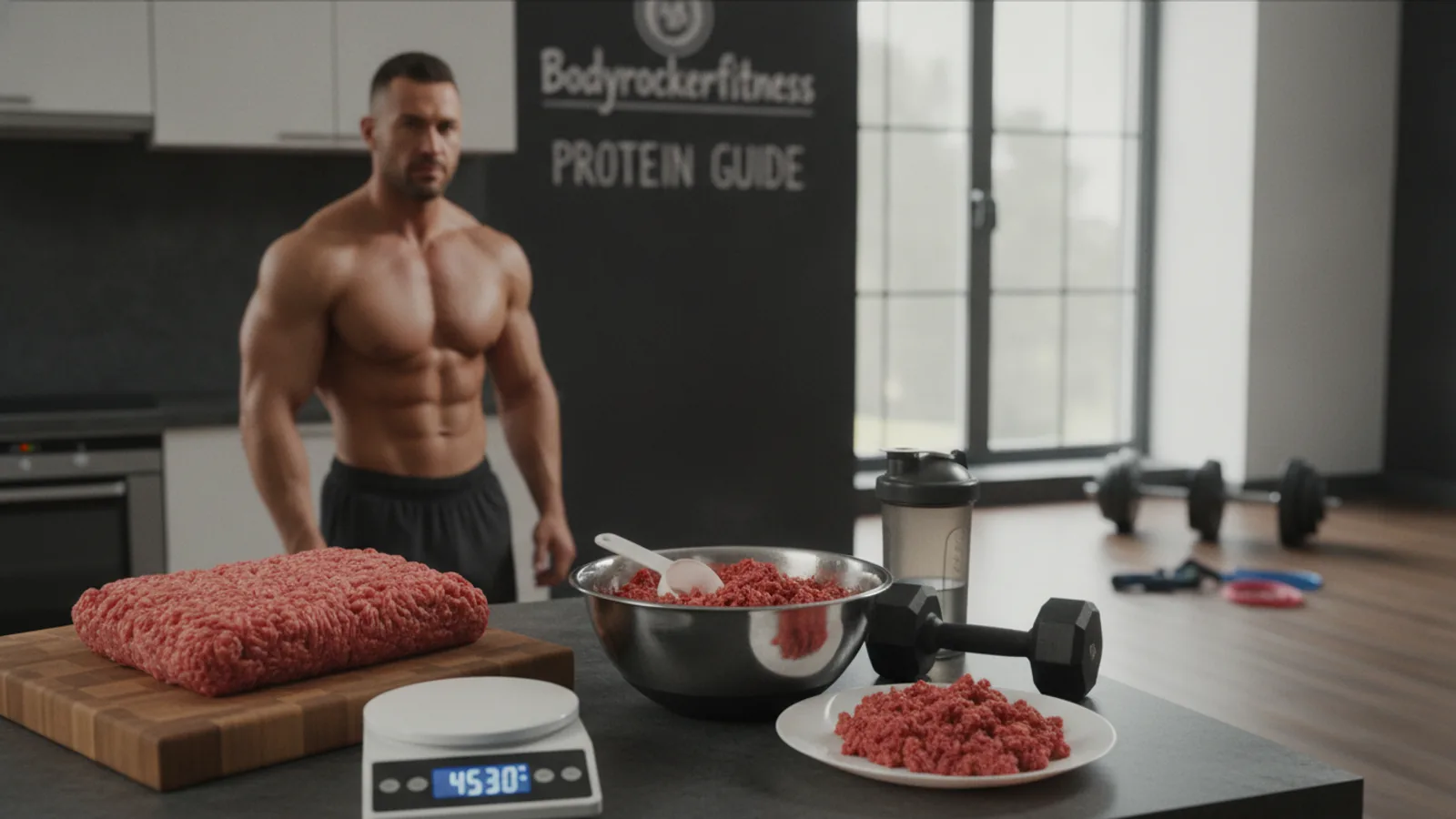
How Much Protein Is In A Pound Of Ground Beef
A pound of ground beef is a staple for many meals, but the exact amount of protein it contains can be surprisingly tricky to pin down. The protein content varies significantly based on the meat's lean-to-fat ratio and whether you measure it raw or after cooking. This guide walks you through exactly how to determine the protein in your specific package of ground beef, helping you accurately track your nutrition and make informed choices. We'll cover how to read the label, understand the changes that happen during cooking, and calculate the final protein amount for your meal.
Fast Answer
- Key Factor: The lean-to-fat ratio (e.g., 80/20 vs. 93/7) is the biggest influence on protein content.
- Raw vs. Cooked: A pound of raw ground beef contains less protein per ounce than cooked ground beef because cooking removes water and fat, concentrating the nutrients.
- Typical Range: A pound (16 oz) of ground beef typically contains between 70 and 100 grams of protein, depending on the leanness and cooking method.
Before You Start
The key to finding the protein content is on the packaging itself. This process doesn't require any special equipment, just a careful eye for the details on the nutrition label. Gathering this information beforehand will make the calculation quick and simple.
- The package of ground beef: You'll need access to the original packaging to find the nutrition facts panel and the lean-to-fat ratio.
- A calculator (optional): Useful for quick multiplication, though the math is straightforward enough to do in your head.
Step-by-Step Instructions
Identify the Lean-to-Fat Ratio
First, locate the lean-to-fat ratio on your ground beef package. It's usually shown as two numbers separated by a slash, such as 85/15. The first number represents the percentage of lean meat, and the second represents the percentage of fat.
For example, a package labeled "85/15" contains 85% lean meat and 15% fat by weight. A higher first number means more lean meat and, consequently, more protein per ounce. This ratio is the primary determinant of the nutritional profile of your ground beef.
Read the Nutrition Facts Label
Next, find the Nutrition Facts panel on the packaging. Here, you need to identify two key pieces of information: the serving size and the protein per serving.
Typically, the serving size for ground beef is 4 ounces (112 grams) when raw. The label will then list the amount of protein, fat, and other nutrients for that single serving. For example, a label for 90/10 ground beef might state that a 4-ounce raw serving contains about 23 grams of protein.
Calculate the Total Protein in One Raw Pound
Now, you can calculate the total protein in the entire one-pound package. Since there are 16 ounces in a pound and the standard serving size is 4 ounces, there are four servings in a one-pound package of ground beef (16 oz / 4 oz = 4 servings).
To find the total protein, simply multiply the protein per serving by the number of servings:
(Grams of Protein per Serving) x 4 = Total Grams of Protein per Raw Pound
Using our 90/10 example with 23 grams of protein per 4-ounce serving:
23g x 4 = 92 grams of protein in the entire raw pound.
Understand How Cooking Affects the Final Amount
This is where many people get confused. When you cook ground beef, two things happen: water evaporates, and fat renders (melts out). This process causes the meat to shrink and lose weight. A 16-ounce pound of raw ground beef might weigh only 11-12 ounces after cooking and draining the fat.
However, the total amount of protein doesn't disappear. Instead, it becomes more concentrated in the smaller, cooked portion. This means that a 4-ounce serving of cooked ground beef will have more protein than a 4-ounce serving of raw ground beef. The total protein from the original pound is still there, just packed into a lighter final product.
For instance, the 92 grams of protein from our raw pound of 90/10 beef might now be contained in just 12 ounces of cooked meat. This is why it's crucial to specify whether you are weighing your portion before or after cooking.
Estimate the Protein in Your Cooked Portion
If you need to know the protein in a specific portion of your cooked meal, it's best to weigh the meat after it has been cooked and drained. To do this accurately, you would cook the entire pound, drain the fat, and then weigh the total amount of cooked meat.
Let's say your pound of 90/10 beef (with 92g of protein) cooked down to 12 ounces. You can now calculate the protein per cooked ounce:
92g protein / 12 oz cooked meat = 7.7 grams of protein per cooked ounce.
If you then serve yourself a 4-ounce portion of this cooked beef, you would be consuming approximately 30.8 grams of protein (7.7g/oz x 4 oz).
Quick Reference
Use this table to get a quick estimate of the protein in one pound (16 oz) of ground beef based on its lean-to-fat ratio. "Cooked" values assume the meat is pan-browned and drained.
| Ground Beef Ratio | Approx. Protein (per Raw Pound) | Approx. Protein (per Cooked Pound) |
|---|---|---|
| 73/27 | ~68-72 grams | ~85 grams |
| 80/20 | ~75-80 grams | ~90 grams |
| 85/15 | ~80-85 grams | ~95 grams |
| 90/10 | ~88-92 grams | ~100 grams |
| 93/7 | ~90-95 grams | ~104 grams |
Common Problems When Calculating Ground Beef Protein
Even with a clear process, a few common issues can arise. Here’s how to handle them for the most accurate results.
Problem: My package doesn't have a nutrition label.
This can happen if you buy ground beef from a local butcher or a farm. In this case, your best resource is the USDA FoodData Central website. You can search for "ground beef" and then select the fat percentage that you believe best matches your purchase. It provides detailed, reliable nutritional information for both raw and cooked products.
Problem: I forgot to weigh the meat before or after cooking.
It's easy to forget this step when you're busy in the kitchen. If you've already mixed the cooked ground beef into a sauce or casserole, getting an exact weight is impossible. The best approach here is to estimate. If you used one pound of ground beef and the final dish provides four servings, you can assume each serving contains one-quarter of the total protein from the original raw pound. Use the Quick Reference table above for a good estimate.
Problem: I didn't drain the fat after cooking.
Most official nutrition data for cooked ground beef assumes the fat has been drained. If you leave the rendered fat in the pan (for example, to add flavor to a sauce), your final meal will contain significantly more fat and calories. The protein content, however, will remain largely the same. Just be aware that the overall nutritional profile of your meal has changed, even if the protein amount hasn't.
Advanced Tips for Accuracy
For those who track their macronutrients closely for fitness or health goals, a few extra steps can improve precision.
Use a Digital Food Scale
Estimating portion sizes is notoriously inaccurate. A digital food scale is an essential tool for precise tracking. For the best results, always weigh your portion of ground beef after it has been cooked and drained. This accounts for the water and fat loss, giving you the true weight of what you're consuming.
Consider Protein Quality
Beyond just the quantity in grams, it's helpful to remember that beef is a source of complete protein. This means it provides all nine essential amino acids that your body cannot produce on its own. These amino acids are crucial for muscle repair, hormone production, and overall bodily function. So, when you consume the 90-100 grams of protein from a pound of ground beef, you're getting a high-quality, highly bioavailable source of these vital nutrients.
Choose Your Grind Based on Your Goals
The lean-to-fat ratio you choose should align with your health and fitness objectives.
- For muscle building and lower-fat diets: Opt for leaner grinds like 93/7 or 90/10. You'll get the most protein per calorie.
- For flavor and keto/higher-fat diets: Fattier grinds like 80/20 or 85/15 are excellent choices. They provide great flavor for burgers and tacos and fit well within higher-fat macronutrient targets.
How Much Protein Is In A Pound Of Ground Beef FAQ
How much protein is in a pound of 80/20 ground beef?
Does cooking ground beef destroy the protein?
How much does a pound of ground beef weigh after cooking?
Is ground sirloin or ground chuck higher in protein?
Final Checklist for Finding Ground Beef Protein
Use this checklist to ensure you're getting an accurate count every time.
- Check the Ratio: Always start by identifying the lean-to-fat ratio on the package.
- Read the Label: Find the serving size (usually 4 oz) and protein per serving.
- Do the Math: Multiply the protein per serving by 4 to get the total protein in a raw pound.
- Account for Cooking: Remember that the final cooked weight will be lower, but the total protein remains the same.
- Weigh Cooked Portions: For the most accurate tracking, use a food scale to weigh your portion after cooking and draining.