How Much Protein Is In A Steak
A practical step-by-step guide to how much protein is in a steak, including preparation, instructions, common issues, tips, and next steps.
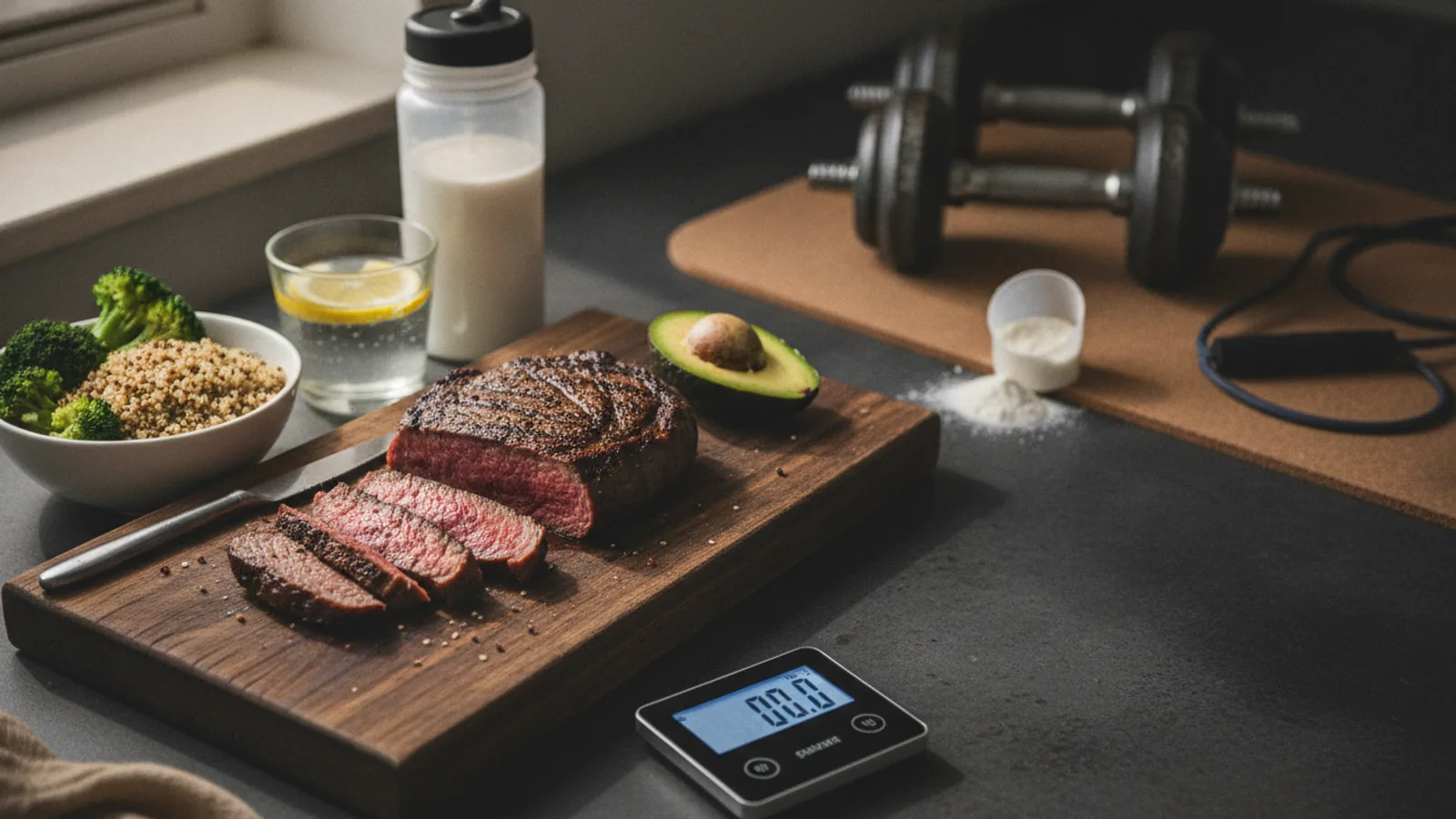
How Much Protein Is In A Steak
Understanding the protein content of your steak is crucial for hitting your fitness and nutrition goals. The amount of protein can vary significantly based on the cut of meat, its cooked weight, and its fat content. This guide provides a clear, step-by-step process to accurately determine how much protein is in your steak, taking the guesswork out of your meal tracking. Whether you're an athlete, trying to build muscle, or simply monitoring your diet, this information will help you make informed choices.
Fast Answer
- Average Protein Content: Approximately 7 grams per ounce (or 25 grams per 100g) of cooked steak.
- Most Important Factor: The specific cut of steak (e.g., lean sirloin vs. fatty ribeye).
- Best Measurement Tool: A digital kitchen scale for weighing the cooked, edible portion.
Before You Start
- Digital Kitchen Scale: This is essential for accuracy. "Eyeballing" portion sizes is notoriously unreliable.
- Your Steak: Have the steak cooked and ready to be measured.
- Nutrition Database Access: You'll need an internet connection to access a reliable source like the USDA's FoodData Central.
- Basic Calculator: A phone or simple calculator will be needed for a quick calculation.
Step-by-Step Instructions
Identify the Cut of Your Steak
The first step is knowing what you're eating. Different cuts of beef have vastly different nutritional profiles, primarily due to their fat content. A leaner cut will have more protein per gram than a fattier cut.
Here’s a quick breakdown of common cuts, from leanest to fattiest:
- Very Lean: Eye of Round, Top Sirloin, Top Round. These cuts have minimal marbling and are packed with protein.
- Lean: Flank Steak, Filet Mignon, Skirt Steak. These offer a great balance of flavor and high protein content.
- Moderate Fat: New York Strip, T-Bone. The fat adds significant flavor but also reduces the protein-to-weight ratio.
- High Fat: Ribeye, Porterhouse. Known for their rich marbling and taste, they contain less protein per ounce compared to leaner options.
If you bought the steak from a butcher or grocery store, the cut should be on the label. If you're at a restaurant, the menu will specify the cut.
Weigh the Cooked, Edible Portion
This is the most critical step for accuracy. Once your steak is cooked to your liking and has rested, place it on your digital kitchen scale. Make sure to zero out the scale with the plate on it first, or weigh the plate separately and subtract its weight.
Weigh your steak in grams for the easiest calculation with nutrition databases, which almost always use a standard 100-gram serving size. If your scale only measures in ounces, that's okay too; you can convert it later (1 ounce = 28.35 grams).
If your steak has a bone (like a T-bone or Porterhouse), you must account for it. The most accurate method is to eat the meat off the bone first. Then, place the clean bone back on the scale and weigh it. Subtract the bone's weight from the initial total weight of the steak. The result is the weight of the actual meat you consumed.
Find Reliable Nutritional Data
Now that you have the precise weight and cut of your steak, it's time to find its protein content. Avoid generic blog posts or random websites. Your best source is a national nutrient database, as they are based on laboratory analysis.
The premier resource in the U.S. is the USDA FoodData Central. It's free to use and highly detailed. Follow these sub-steps:
- Navigate to the FoodData Central website.
- In the search bar, type a detailed description of your steak. Be specific. For example, instead of just "steak," search for "beef, top sirloin, steak, broiled."
- Include the cooking method if you can (e.g., broiled, grilled, pan-seared), as this can slightly alter the final nutrient profile.
- Look for an entry that matches your steak as closely as possible. The "SR Legacy Foods" category is often a good place to start for basic, whole foods.
Once you find a suitable entry, look for the protein value. It will typically be listed as "Protein" per 100-gram serving.
Calculate the Total Protein in Your Portion
With the weight of your steak and the protein value per 100 grams, the final calculation is straightforward. You'll use a simple ratio to find the total protein in your specific portion.
Here is the formula:
(Protein per 100g / 100) x Your Portion Weight in Grams = Total Protein
Let's walk through an example. Suppose you have a cooked top sirloin steak that weighs 180 grams. You look it up in the USDA database and find that "Beef, top sirloin, steak, broiled" contains 30.5 grams of protein per 100 grams.
- Step A: Find the protein per gram: 30.5g / 100g = 0.305g of protein per gram of steak.
- Step B: Multiply by your portion weight: 0.305 x 180g = 54.9 grams of protein.
Your 180-gram portion of sirloin steak contains nearly 55 grams of high-quality protein.
Adjust for Added Fats and Sauces
The protein content you just calculated is for the steak itself. It's important to remember that your cooking method can add calories, primarily from fat, which doesn't affect the protein total but does change the overall nutritional profile of your meal.
If you pan-seared your steak in one tablespoon of butter, you added approximately 100 calories and 11 grams of fat. If you used a tablespoon of olive oil, that's about 120 calories and 14 grams of fat. Similarly, steak sauces, creamy toppings, or sugary marinades can add significant calories, carbs, and fats.
While these additions don't change the protein in the meat, they are part of the total meal. For the most accurate tracking, you should measure and log these items separately. This gives you a complete picture of your intake and ensures the protein from the steak isn't overshadowed by unaccounted-for fats and sugars.
Quick Reference
| Situation | Use this | Why |
|---|---|---|
| You want the most protein for the fewest calories. | Choose a very lean cut like Top Sirloin or Eye of Round. | These cuts have less fat marbling, resulting in a higher concentration of protein per ounce. |
| You're eating out and don't have a scale. | Use your palm as a guide. The palm of your hand is roughly 3-4 ounces. | It's not perfectly accurate, but it provides a reasonable estimate when you can't weigh your food. |
| Your steak has a large T-bone or rib bone. | Weigh the steak first, eat the meat, then weigh the leftover bone and subtract. | This ensures you're only calculating protein for the edible portion you actually consumed. |
| You can't find the exact cut in a database. | Search for a generic entry like "beef steak, broiled, lean meat only." | This gives you a solid baseline estimate that's much better than a wild guess. |
Common Problems When You Determine Steak Protein
Even with a clear process, a few common issues can arise. Here’s how to handle them.
Problem: You Forgot to Weigh the Steak Before You Ate It
Solution: This happens to the best of us. While you can't get a precise measurement, you can still make an educated guess. Did you eat the whole steak? If so, check the package for the raw weight. A common 8-ounce raw steak will yield about 6 ounces (170g) when cooked. You can use this cooked weight estimate for your calculation. If you only ate part of it, estimate the fraction you ate (e.g., "about half") and apply it to the estimated cooked weight.
Problem: Using Visual Cues Like a "Deck of Cards" Is Inaccurate
Solution: Visual estimation guides are a good starting point but can be misleading. A 3-ounce portion of steak is often compared to a deck of cards. However, a thick-cut filet mignon might look smaller than a thinly sliced flank steak of the same weight. The only real solution is to use a food scale whenever possible. Use visual cues only as a last resort when dining out.
Problem: You're Confused by Raw vs. Cooked Nutrition Entries
Solution: Nutrition databases often list values for both raw and cooked food. Since you eat steak cooked, you should always use the cooked data for tracking what you consume. Cooking removes water, concentrating the nutrients into a smaller weight. If you weigh 100g of raw steak (with ~22g protein) and cook it, it might now weigh 75g. Those 22g of protein are now in the 75g portion, making its protein density higher (~29g per 100g). Always match your measurement method (raw or cooked) with the database entry you select.
Advanced Tips for how much protein is in a steak
Once you've mastered the basics, these tips can help you refine your tracking and understanding.
- Meal Prep for Efficiency: If you cook a large piece of steak, like a whole top round roast, weigh the entire piece of meat after it's cooked and rested. Calculate the total protein for the whole roast. Then, you can divide it into equal portions for your meals throughout the week without having to weigh each individual serving. For example, if a 1000g cooked roast has 300g of protein, you can divide it into five 200g servings, each containing exactly 60g of protein.
- Understand Protein Bioavailability: Beef is a source of "complete protein," meaning it contains all nine essential amino acids your body cannot produce on its own. It's also highly bioavailable, meaning your body can digest, absorb, and use its protein very efficiently, making it an excellent choice for muscle repair and growth.
- Consider the Fat Trim: Many steaks come with a "fat cap." If you trim off this external fat before or after cooking, you are significantly changing the nutritional profile. Be sure to weigh only the lean, edible portion you consume. If you eat the fat, you should try to use a database entry that includes it, such as "beef, top sirloin, separable lean and fat, trimmed to 1/8" fat."
How Much Protein Is In A Steak FAQ
How much protein is in an 8 oz steak?
The protein in an 8-ounce (227g) steak depends heavily on the cut. An 8 oz cooked filet mignon might have around 68 grams of protein. A fattier 8 oz cooked ribeye, on the other hand, might have closer to 60 grams of protein due to its higher fat content.
Does a well-done steak have less protein than a rare steak?
No, the total amount of protein remains the same. The cooking process doesn't destroy protein. However, a well-done steak will weigh less than a rare steak of the same initial size because more water has evaporated. This means the well-done steak is more protein-dense—it has the same amount of protein packed into a smaller weight.
Which cut of steak is best for building muscle?
For building muscle, the ideal choice is a cut that is high in protein and relatively low in saturated fat. Lean cuts like top sirloin, eye of round, or flank steak are excellent options. They provide a massive dose of complete protein with fewer calories from fat, helping you stay within your caloric budget while maximizing muscle-building potential.
How does grass-fed steak compare to grain-fed in protein?
The protein content between grass-fed and grain-fed beef is virtually identical. The primary nutritional difference lies in the fat composition. Grass-fed beef typically has a more favorable fatty acid profile, with more omega-3 fatty acids and conjugated linoleic acid (CLA), and is often slightly leaner overall.
Final Checklist for how much protein is in a steak
- Identify the specific cut of your steak (e.g., Sirloin, Ribeye, Filet).
- Cook the steak to your preference and allow it to rest.
- Use a digital kitchen scale to weigh the cooked, edible portion in grams.
- Remember to subtract the weight of any bones after eating.
- Use a reliable source like the USDA FoodData Central to look up the nutritional information for your specific cut and cooking method.
- Use the protein value per 100g to calculate the total protein in your portion.
- Account for any added oils, butter, or sauces separately for a complete picture of your meal's nutrition.