How Much Protein Is In Steak
A practical step-by-step guide to how much protein is in steak, including preparation, instructions, common issues, tips, and next steps.
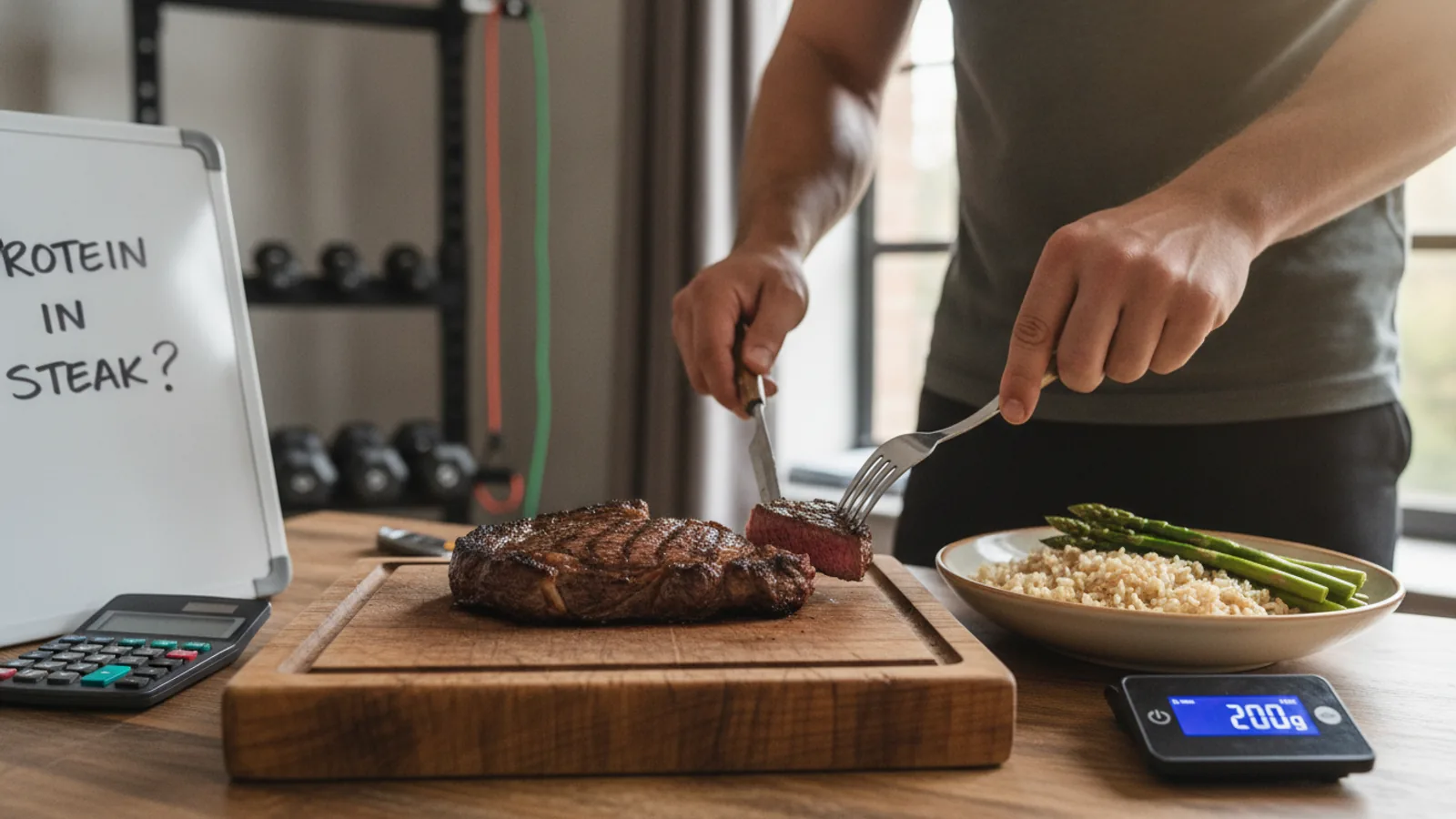
How Much Protein Is In Steak
Steak is a fantastic source of high-quality protein, but the exact amount can vary significantly. Factors like the cut of meat, its leanness, and whether you weigh it raw or cooked can all change the final number. This guide provides clear, step-by-step instructions to help you accurately determine the protein content of your steak, ensuring you have precise information for your dietary and fitness goals. Whether you're tracking macros for muscle building or just curious about your food, you'll learn exactly how to find the answer.
Fast Answer
- Typical Cooked Steak: About 25-30 grams of protein per 3.5-ounce (100g) serving.
- Key Factor: The specific cut (e.g., sirloin vs. ribeye) is the biggest variable.
Before You Start
- Digital Food Scale: This is essential for accuracy. Guessing portion sizes is a common source of error in nutrition tracking.
- Reliable Nutrition Database: Use a trusted source like the USDA FoodData Central website for the most accurate information. Food tracking apps often pull data from here.
- Knowledge of Your Steak Cut: You need to know if you have a sirloin, ribeye, filet mignon, or another cut, as their nutritional profiles differ.
Step-by-Step Instructions
Identify the Specific Cut of Your Steak
The first step is to know exactly what you're working with. The amount of protein is directly related to the amount of fat and muscle in the cut. Leaner cuts have more protein per gram, while fattier cuts have less.
For example, a lean top sirloin will be higher in protein than a heavily marbled ribeye of the same weight. If the packaging doesn't specify the cut, you can often identify it by its shape, size, and the amount of visible fat (marbling). Common cuts include:
- Lean Cuts: Sirloin, Flank Steak, London Broil, Filet Mignon (Tenderloin)
- Fattier Cuts: Ribeye, T-Bone, Porterhouse, New York Strip
Knowing your cut allows you to look up the correct nutritional information in the next steps.
Weigh Your Steak Accurately with a Food Scale
Estimating portion sizes using visual cues like "the size of your palm" is notoriously inaccurate. For precise protein tracking, a digital food scale is your best tool. Decide whether you will measure your steak raw or cooked. Measuring raw is often considered the gold standard because cooking methods and doneness levels can alter the final weight unpredictably.
To weigh your steak:
- Place your plate or cutting board on the food scale.
- Press the "tare" or "zero" button to subtract the plate's weight. The scale should read 0.
- Place the steak on the plate. The number displayed is the exact weight of your portion.
Record this weight in grams or ounces. Most nutritional databases use grams, so it's a good habit to use that unit.
Find Protein Data Using a Nutrition Database
Once you have the cut and its exact weight, you need to find out how much protein it contains per gram. Avoid generic search engine results, which can be inconsistent. Instead, use a trustworthy source.
The USDA FoodData Central is the most authoritative public database. Go to their website and search for your specific cut. For example, you might search for "beef, top sirloin, raw" or "beef, ribeye, broiled."
The database will provide a full nutritional breakdown, usually per 100 grams. Find the value for "Protein."
Calculate the Total Protein in Your Portion
Now it's time for some simple math. You'll use the weight of your steak and the protein-per-100g value you just found. The formula is:
(Your Steak's Weight in grams / 100) x Protein per 100g = Total Protein in Your Portion
Example (using raw weight):
- You have a raw top sirloin steak that weighs 227g (which is about 8 oz).
- You look it up and find that raw top sirloin has approximately 22g of protein per 100g.
- The calculation is: (227g / 100) x 22g = 49.94g of protein.
Example (using cooked weight):
- You have a cooked portion of flank steak that weighs 170g (about 6 oz).
- You look up "beef, flank steak, cooked" and find it has 29g of protein per 100g.
- The calculation is: (170g / 100) x 29g = 49.3g of protein.
Account for Bones and Visible Fat
If your steak has a bone or a large, thick cap of fat that you don't plan to eat, you should account for it to get a more accurate protein count for the meat you actually consume. There are two primary ways to do this:
- Weigh After Trimming/Deboning: The most accurate method is to weigh the meat after you have trimmed off the excess fat and removed it from the bone. Use this final weight in your calculation.
- Use Data for Bone-In Cuts: If you weigh a bone-in steak, try to find nutritional data specifically for that cut (e.g., "T-bone steak"). This data often approximates the average yield of edible meat, but it may be less precise than weighing the edible portion yourself.
Trimming fat is especially important. A thick fat cap adds significant calories but contains virtually no protein. By trimming it, you increase the protein density of the remaining portion.
Consider the Impact of Cooking Method and Doneness
While the cut of meat is the primary factor, how you cook it can have a minor effect on the final protein density. As mentioned, cooking removes water, concentrating the protein. The more you cook a steak, the more water it loses.
This means a 100g portion of well-done steak will have slightly more protein than a 100g portion of rare steak, because more water has been cooked out of the well-done piece, making it more nutritionally dense.
Furthermore, cooking methods that add fat, like pan-frying in a lot of butter or oil, will increase the total calorie and fat content of your meal. Methods like grilling or broiling, which allow fat to drip away, can result in a leaner final product. While these methods don't change the protein amount in the meat itself, they affect the overall nutritional profile of your meal, which is important to remember.
Quick Reference
| Cut of Steak | Approx. Protein per 3.5oz / 100g (Cooked) | Why |
|---|---|---|
| Filet Mignon (Tenderloin) | ~30g | Very lean with minimal fat and marbling, resulting in high protein density. |
| Top Sirloin | ~29g | A popular lean cut that offers a great balance of flavor and high protein content. |
| Flank Steak | ~28g | A lean, muscular cut with long fibers. Excellent protein source when trimmed. |
| New York Strip | ~27g | Has more marbling than sirloin but is still a very protein-rich option. |
| T-Bone / Porterhouse | ~26g | Contains both a strip and a tenderloin section; the overall protein is slightly lower due to fat and bone. |
| Ribeye | ~25g | Known for its rich flavor due to high-fat marbling, which means less protein per gram compared to leaner cuts. |
Common Problems When Measuring Steak Protein
Even with a scale and a database, a few common pitfalls can lead to inaccurate numbers. Here’s how to avoid them.
- Problem: Using "Restaurant" or Generic Entries. A nutrition app might list "8 oz Sirloin Steak." This is an estimate. The restaurant might use a fattier grade of meat, cook it in a lot of butter, or the portion size might not be exact. Always try to find an entry for a basic, plain-cooked cut from a source like the USDA and add any oils or sauces separately.
- Problem: Forgetting Marinades and Sauces. Marinades, especially those with sugar (like BBQ sauce) or oil, add calories that aren't accounted for in the steak's protein value. Track these additions separately to get a full picture of your meal's nutrition.
- Problem: Inconsistency. One day you measure raw, the next day you measure cooked. This will throw off your tracking. Pick one method (preferably weighing raw) and stick with it for all your meats for the most consistent and reliable data.
Advanced Tips for Protein Tracking
Ready to take your accuracy to the next level? These tips can help you dial in your numbers even further.
- Meal Prepping with Batch Calculations: If you cook a large amount of steak at once, you can calculate the protein for the entire batch. Weigh the entire package of raw meat and calculate its total protein. After cooking, weigh the total amount of cooked meat. You can then calculate the protein per gram of the cooked batch. For example: If 1000g of raw sirloin (220g protein) cooks down to 750g, your cooked meat has 220g protein / 750g = 0.29g of protein per gram. Now you can portion out the cooked meat and know exactly how much protein is in each serving.
- Understanding Protein Quality: Steak provides "complete protein," meaning it contains all nine essential amino acids your body cannot produce on its own. These are the building blocks of muscle, tissue, and enzymes. This makes the protein from steak highly bioavailable and effective for muscle repair and growth, which is a key reason it's valued in fitness-focused diets.
- Using a High-Quality Tracking App: Apps like MyFitnessPal, Cronometer, or MacroFactor streamline this entire process. They have extensive databases (often with verified entries) and allow you to create custom recipes. You can input your raw steak weight, and the app will calculate the final nutrition for you, saving you from doing manual math each time.
How Much Protein Is In Steak FAQ
Here are answers to some of the most frequently asked questions about steak and its protein content.
How much protein is in a 6 oz steak?
A 6-ounce (170g) cooked steak will typically have between 42 and 51 grams of protein. A leaner cut like sirloin will be at the higher end of that range, while a fattier cut like a ribeye will be at the lower end.
Is steak the best source of protein?
Steak is an excellent source of high-quality, complete protein and also provides vital nutrients like iron, zinc, and B vitamins. While it's one of the best sources for muscle building, other foods like chicken, fish, eggs, dairy, and certain plant-based options like tofu and lentils are also fantastic protein sources. A varied diet is always best.
Does grass-fed beef have more protein than grain-fed?
The protein content between grass-fed and grain-fed beef is virtually identical. The primary nutritional difference is in the fatty acid profile. Grass-fed beef tends to be slightly leaner overall and has a higher concentration of beneficial Omega-3 fatty acids and certain vitamins.
Can I just use the nutrition label on the package?
Yes, but be careful. The nutrition label on the package is for the raw weight of the meat. If you cook a 4 oz patty from a package, the cooked patty will weigh less (around 3 oz) but will still contain the amount of protein listed for the original 4 oz serving. This is another reason weighing raw is so reliable.
Final Checklist for Measuring Steak Protein
- Did you correctly identify the specific cut of steak?
- Did you use a digital food scale to get an exact weight?
- Did you decide to consistently measure either the raw weight or the cooked weight?
- Did you use a reliable database (like USDA FoodData Central) to look up the protein value?
- Did you perform the calculation to find the total protein in your specific portion?
- Did you account for any uneaten parts, like bones or large pieces of fat?
- Did you remember to track any high-calorie sauces, oils, or marinades separately?