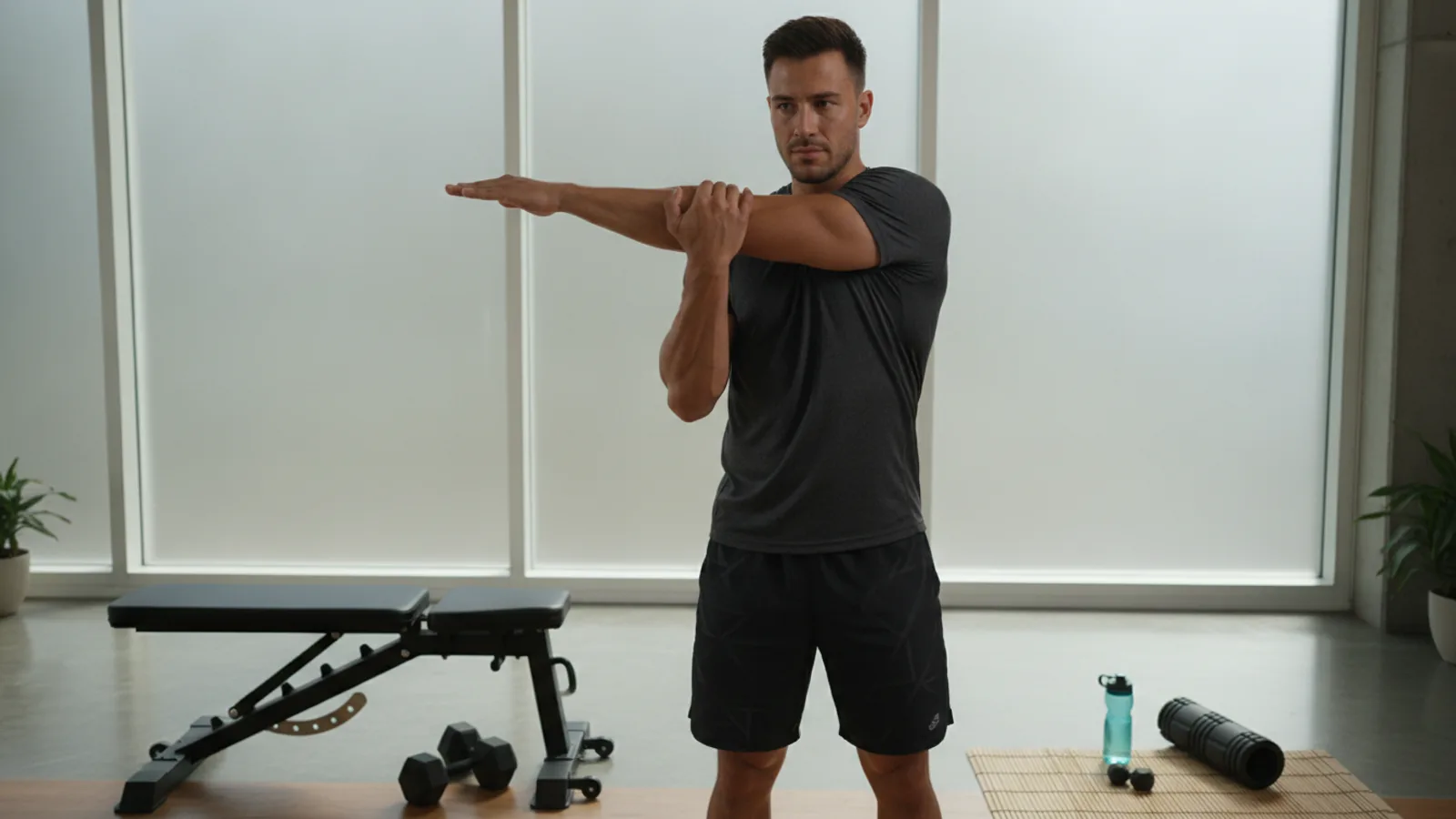
How To Stretch Upper Back
A practical step-by-step guide to how to stretch upper back, including preparation, instructions, common issues, tips, and next steps.
How To Stretch Upper Back
Upper back pain and stiffness are common problems, often caused by long hours spent sitting at a desk, looking down at a phone, or poor posture. Learning how to stretch your upper back correctly can relieve tension, improve your range of motion, and help prevent future discomfort. This guide provides clear, step-by-step instructions for safe and effective upper back stretches you can do almost anywhere. Following these movements can help release tightness in the muscles around your thoracic spine and shoulder blades.
Fast Answer
- Key Action: Perform gentle, controlled movements without bouncing.
- Focus On: Holding each static stretch for 15-30 seconds.
- Frequency: Daily, especially during breaks from sitting.
- Main Goal: Increase flexibility and relieve muscle tension.
Before You Start
- A comfortable space: You need enough room to move your arms and torso freely without bumping into furniture.
- Supportive surface: A yoga mat or carpeted floor can provide cushioning for kneeling or lying-down stretches.
- Comfortable clothing: Wear clothes that don't restrict your movement.
- A sturdy chair: Some stretches are adapted for a seated position, perfect for an office environment. Ensure the chair is stable and doesn't have wheels if possible.
- Warm muscles: Stretching is most effective and safest when your muscles are warm. Perform these stretches after a short walk, a warm shower, or at the end of a workout.
Step-by-Step Instructions
Perform the Cat-Cow Stretch
This classic yoga pose is excellent for gently warming up and increasing the flexibility of your entire spine, including the upper back. It helps release tension between the shoulder blades.
- Start on your hands and knees in a tabletop position. Your wrists should be directly under your shoulders, and your knees directly under your hips. Keep your back flat and your neck in a neutral position, looking down at the floor.
- For the "Cow" pose: As you inhale, drop your belly towards the mat. Lift your chest and tailbone, creating a gentle arch in your back. Look slightly forward without straining your neck. Feel the stretch across your chest and the engagement of your back muscles.
- For the "Cat" pose: As you exhale, round your spine up towards the ceiling. Tuck your chin to your chest and press the floor away with your hands to maximize the stretch between your shoulder blades. Imagine a string pulling the middle of your back upwards.
- Continue flowing between Cow on the inhale and Cat on the exhale for 8-10 repetitions. Focus on smooth, deliberate movements synchronized with your breath.
Try Eagle Arms for the Rhomboids
The rhomboids are the muscles situated between your spine and shoulder blades. They often get tight from hunching forward. The Eagle Arms stretch specifically targets this hard-to-reach area.
- You can do this stretch either sitting or standing tall. Start by extending both arms straight out in front of you at shoulder height.
- Cross your right arm over your left, then bend your elbows. Your right elbow should be nestled in the crook of your left elbow.
- Bring the backs of your hands towards each other. If you have the flexibility, continue wrapping your right hand around so your palms touch. If not, simply pressing the backs of your hands together is perfectly fine.
- Gently lift your elbows up while moving your hands away from your face. You should feel a deep stretch across your upper back and between your shoulder blades.
- Hold this position for 15-30 seconds, breathing deeply. Unwind your arms, shake them out, and repeat with the left arm crossed over the right.
Use a Doorway or Wall Corner Stretch
Often, upper back tightness is related to tightness in the chest muscles (pectorals). Opening up the chest can relieve the strain on your back muscles, which are constantly working to pull your shoulders back.
- Stand in an open doorway or facing the corner of a room.
- Place your forearms on the doorframe or walls on either side, with your elbows bent at a 90-degree angle and slightly below shoulder height. Your hands should be pointing up.
- Step forward with one foot into a slight lunge. Keep your back straight and your core engaged.
- Gently lean your body forward until you feel a stretch across the front of your chest and shoulders. Avoid arching your lower back.
- Hold the stretch for 20-30 seconds. To change the focus of the stretch, you can move your arms slightly higher or lower on the wall.
Perform a Seated Thoracic Rotation
This stretch improves mobility in your thoracic spine (the upper and middle part of your back). A lack of rotation here can lead to stiffness and compensation from your lower back or neck.
- Sit sideways in a sturdy, armless chair, or sit on the floor with your knees bent and feet flat. For the chair version, sit tall with your feet firmly on the ground.
- Place your left hand on the outside of your right knee. Place your right hand on the back of the chair or on the floor behind you for support.
- Inhale to lengthen your spine, sitting up as tall as possible. As you exhale, gently twist your torso to the right, using your hands as leverage.
- Lead the twist with your chest, not your neck. Keep your hips facing forward as much as possible. The goal is to feel the rotation in your mid-back.
- Hold for 15-20 seconds, then gently return to the center. Repeat on the other side. Perform 2-3 twists per side.
Do the Thread the Needle Pose
This is another restorative pose that stretches the upper back, shoulders, chest, and neck. It provides a gentle twist while opening up the space between the shoulder blades.
- Start in a tabletop position on your hands and knees, just like in the Cat-Cow stretch.
- On an inhale, lift your right arm straight up towards the ceiling, opening your chest to the right side. Follow your hand with your gaze.
- On your exhale, "thread" your right arm underneath your left arm, bringing your right shoulder and the side of your head to rest gently on the floor.
- Your left hand can stay where it is for support, or you can walk it forward to deepen the stretch. Keep your hips lifted and square.
- Relax into the pose, breathing into the space between your shoulder blades. Hold for 20-30 seconds.
- To release, press into your left hand, inhale, and unwind, lifting your right arm back to the ceiling. Exhale and return to the tabletop position. Repeat on the other side.
Try a Simple Cross-Body Shoulder Stretch
While often considered a shoulder stretch, this move is also highly effective at targeting the muscles of the upper back, including the trapezius and posterior deltoids.
- Stand or sit tall with a straight spine.
- Bring your right arm straight across your body at chest level.
- Use your left hand or the crook of your left elbow to gently pull your right arm closer to your chest. Keep your right arm straight.
- Ensure you are not letting your shoulder shrug up towards your ear. Keep your shoulder relaxed and down.
- You should feel a stretch in the back of your right shoulder and across your upper back.
- Hold for 15-30 seconds, and then repeat with your left arm.
Common Problems When You Stretch Upper Back
Feeling Sharp Pain Instead of a Gentle Pull
A stretch should feel like a mild, comfortable tension, not a sharp or stabbing pain. Pain is your body's signal to stop. This often happens from pushing too far, too fast, or when stretching an injured area.
The Fix: Immediately back off the stretch to a point where the pain disappears. If you can't find a pain-free range, stop the stretch entirely. Try a less intense variation or a different stretch. Always move into stretches slowly and avoid any bouncing movements, which can cause muscle micro-tears.
Holding Your Breath
Many people unconsciously hold their breath when they feel tension. This creates more tension in the body, making the muscles resistant to stretching and defeating the purpose of the exercise.
The Fix: Make your breath a central focus of your stretching routine. Practice breathing deeply and steadily throughout each hold. A good rule of thumb is to inhale as you prepare or lengthen, and exhale as you move deeper into the stretch. This signals to your nervous system that it's safe to relax.
Not Feeling the Stretch in the Target Area
Sometimes you might perform a stretch and feel it somewhere completely different, or not at all. This is usually due to incorrect form or compensation from other, more flexible parts of your body.
The Fix: Slow down and reset your position. Reread the instructions, focusing on the small details. For example, in a thoracic twist, if you feel it only in your neck, concentrate on initiating the movement from your rib cage. In the Eagle Arms stretch, actively lifting your elbows can help isolate the stretch between the shoulder blades.
Advanced Tips for how to stretch upper back
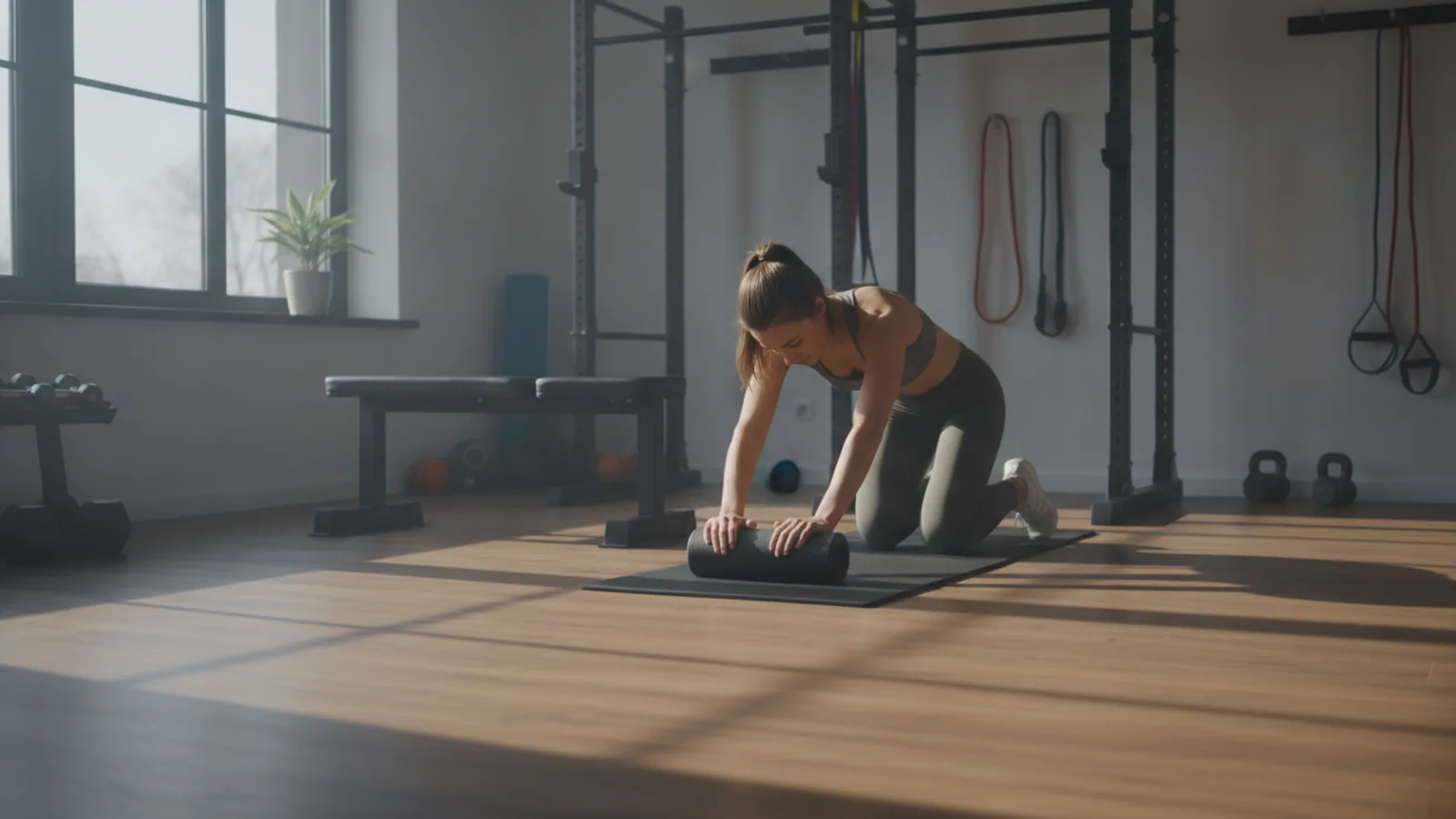
Incorporate a Foam Roller
A foam roller is a fantastic tool for self-myofascial release, essentially a form of self-massage. It can help release deeper knots and improve thoracic spine mobility. Lie on the floor with the foam roller placed horizontally under your upper back. With your knees bent and feet flat on the floor, support your head with your hands and gently roll up and down from the base of your neck to the bottom of your rib cage. Never roll onto your lower back or neck. Pause on any tight spots for 20-30 seconds.
Combine Stretching with Strengthening
Stretching is only half the battle. Upper back pain is often caused by weak postural muscles that get fatigued and tight. Complement your stretching routine with strengthening exercises. Simple movements like bodyweight rows, planks, and "superman" exercises can build endurance in your back extensors, rhomboids, and core, providing better support for your spine throughout the day and reducing the likelihood of muscle strain.
Use Dynamic Stretches as a Warm-Up
While the static holds described above are great for increasing flexibility, dynamic stretches (stretching through movement) are better for warming up before physical activity. These increase blood flow and prepare your body for work. Examples for the upper back include large arm circles (forward and backward) and gentle standing torso twists. Save the deep, static holds for your cool-down or a separate flexibility session.
Quick Reference
| Situation | Use this | Why |
|---|---|---|
| Stiffness from sitting at a desk | Seated Thoracic Rotation, Eagle Arms | These can be done in a chair and directly counter the forward-hunching posture of computer work. |
| General morning stiffness | Cat-Cow Stretch | It's a gentle, flowing movement that warms up and mobilizes the entire spine for the day ahead. |
| Post-workout cool-down | Thread the Needle, Child's Pose | These are restorative, calming poses that help lengthen muscles and relax the nervous system after exercise. |
| Feeling tight in the chest and shoulders | Doorway or Wall Corner Stretch | It directly opens the pectoral muscles, which relieves the pulling strain on the upper back muscles. |
How To Stretch Upper Back FAQ
How often should I stretch my upper back?
Can stretching make my upper back pain worse?
Is it normal for my back to crack when I stretch?
What muscles am I actually stretching in my upper back?
Final Checklist for how to stretch upper back
- Warm up first: Ensure your muscles are warm with light activity before performing deep stretches.
- Move slowly: Never rush into or out of a stretch. Control is key to avoiding injury.
- Breathe deeply: Use your breath to help your muscles relax and deepen the stretch.
- Hold, don't bounce: Hold static stretches for a sustained period (15-30 seconds). Bouncing can cause muscle strain.
- Listen to your body: Distinguish between a gentle stretch and pain. Stop if you feel any sharp or radiating sensations.
- Be consistent: The benefits of stretching come from regular practice. Aim for a little bit every day.