Casein Protein vs Whey: Which Should You Choose?
A practical head-to-head comparison of Casein Protein and Whey, covering quick verdict, key differences, category winners, buyer fit, and FAQ.
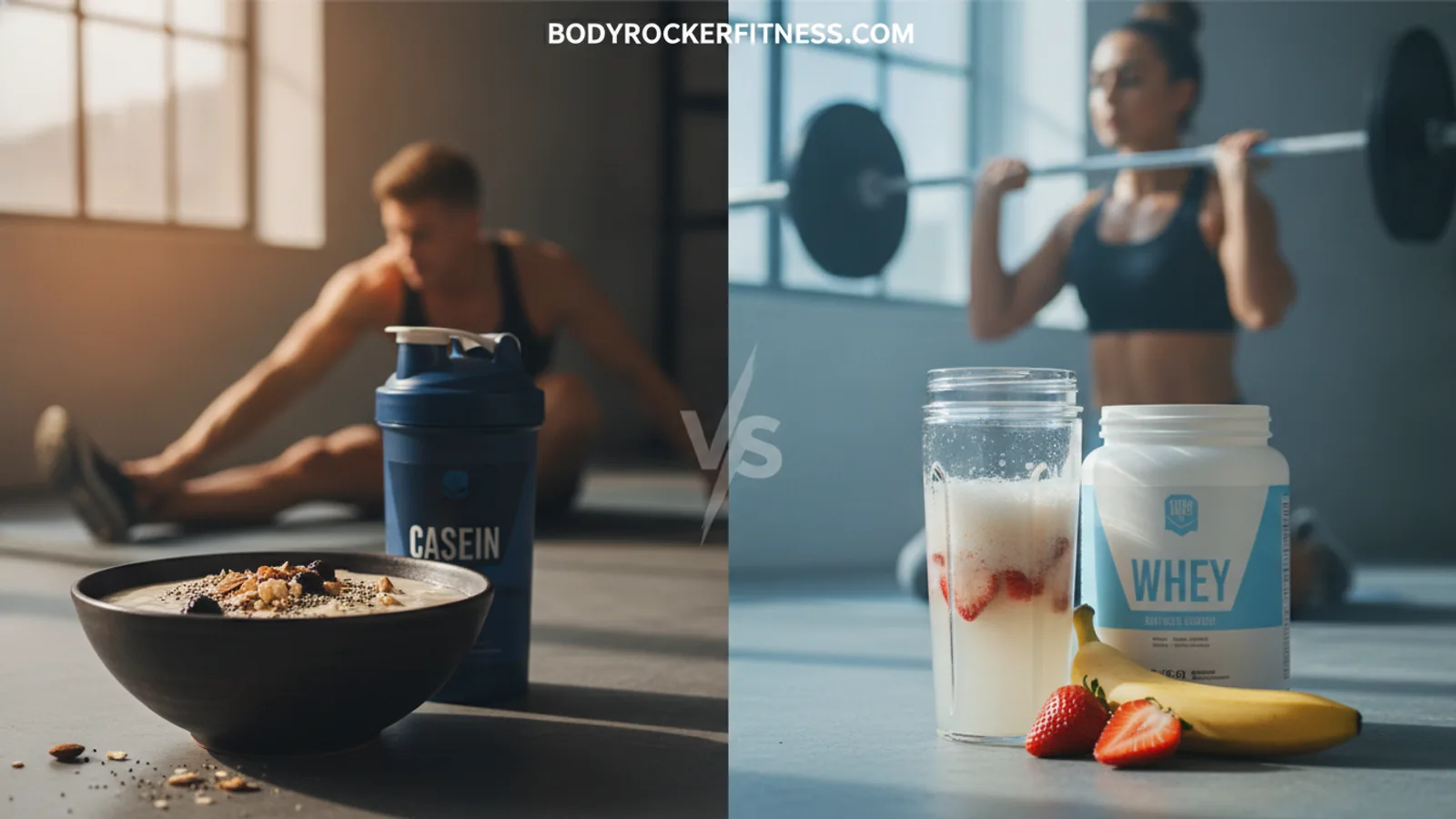
Casein Protein vs Whey: Which Should You Choose?
Head-to-head comparison
Overall winner: Whey Protein for its rapid absorption and superior ability to stimulate muscle growth immediately after exercise.
For most people, whey is the better choice due to its fast-acting nature, making it ideal for post-workout recovery. However, casein protein is the superior option for long-lasting protein delivery, such as before bed or between meals, to prevent muscle breakdown.
This comparison is based on our analysis of dozens of peer-reviewed studies on muscle protein synthesis, nutrient timing, and amino acid profiles. We've synthesized this scientific consensus to provide clear, practical guidance for your fitness goals.
Both casein and whey are high-quality, complete proteins derived from milk, but they behave very differently in your body. Whey is the "fast" protein, quickly absorbed to kick-start muscle repair. Casein is the "slow" protein, forming a gel in the stomach for a sustained release of amino acids over several hours. While whey's popularity makes it seem like the default choice, understanding casein’s unique strengths is key to optimizing your nutrition around the clock.
Option A
Casein Protein
- Best for: Overnight recovery & meal replacement
- Strength: Prevents muscle breakdown for hours
- Tradeoff: Slower muscle growth stimulation
Option B
Whey Protein
- Best for: Post-workout muscle repair & growth
- Strength: Rapid absorption & high leucine content
- Tradeoff: Short-lived anabolic effect
Head-to-Head Scorecard
Measurement
Routine Fit
Where a protein supplement fits into your daily routine is arguably the most important factor in choosing between casein and whey. Their differing absorption rates make them suitable for very different scenarios.
Whey protein is the undisputed king of the "anabolic window," the period immediately following a workout. Its rapid digestion means amino acids, particularly the crucial branched-chain amino acids (BCAAs), flood your bloodstream within 30-60 minutes. This provides the building blocks your muscles need for repair and growth right when they are most receptive. This makes whey the ideal choice for a post-exercise shake.
Casein, on the other hand, is designed for endurance. When you consume it, it forms a clot or gel in your stomach. This drastically slows down the rate at which it's broken down and absorbed, leading to a slow, steady trickle of amino acids into your system for up to eight hours. This makes it a poor choice for immediate post-workout needs but an excellent one for periods when you won't be eating, such as overnight. Taking casein before bed can help prevent your body from entering a catabolic (muscle-breakdown) state while you sleep.
Measurement
Formula & Amino Acid Profile
Both casein and whey are complete proteins, meaning they contain all nine essential amino acids that your body cannot produce on its own. However, the concentration of these amino acids, especially one in particular, differs slightly.
The key player in muscle protein synthesis (MPS), the process of building new muscle, is the amino acid leucine. Leucine acts as a primary trigger for this process. Whey protein has a slightly higher concentration of leucine than casein, typically around 10-11% compared to casein's 8-9%. Combined with its rapid absorption rate, this higher leucine content means whey delivers a more potent initial signal to your body to start building muscle.
While whey wins on the initial MPS spike, casein's strength is in its sustained delivery. By providing a steady stream of all essential amino acids over many hours, it creates a powerful anti-catabolic environment. It doesn't spike muscle building as high as whey, but it does a much better job of preventing muscle breakdown over the long term. Research shows that while whey spikes MPS higher, casein leads to a greater net protein balance over a 7-hour period because it reduces protein breakdown so effectively.
Measurement
Ease of Use & Mixability
From a practical standpoint, whey and casein offer very different user experiences. This comes down to their physical properties when mixed with liquid.
Whey protein, particularly whey isolate and hydrolysate, is renowned for its excellent mixability. It dissolves quickly and easily in water or milk, usually with just a few shakes in a standard shaker bottle. The resulting drink has a thin, smooth consistency similar to milk, making it easy and pleasant to drink quickly after a workout. This user-friendliness is a major reason for its widespread popularity.
Casein's micellar structure, which causes it to thicken and gel, makes it more challenging to mix. It often requires more vigorous shaking or even blending to achieve a smooth consistency. If not mixed thoroughly, it can remain clumpy. The final product is significantly thicker than a whey shake, often described as having a pudding-like or creamy texture. While some people enjoy this and use it to make protein puddings or thick smoothies, it's generally considered less convenient and palatable for a quick drink than whey.
Measurement
Value & Cost
When comparing value, we look at both the price per gram of protein and the efficacy for the intended purpose. On a purely cost-per-gram basis, whey and casein are often similarly priced, though there can be variations based on brand, purity (concentrate vs. isolate), and marketing.
Whey protein, especially whey concentrate, is one of the most cost-effective protein supplements on the market. Its massive production volume and competitive landscape keep prices relatively low. Given its effectiveness for the most common use case (post-workout), it delivers excellent value for the majority of consumers.
Micellar casein is often slightly more expensive than a comparable whey concentrate due to a more complex filtering process. Its value isn't in its per-serving cost, but in its specific function. If used as a meal replacement or to stave off hunger, its high satiety factor can provide significant value by preventing you from snacking on other, less healthy foods. A single casein shake can keep you feeling full for 3-4 hours, much longer than a whey shake. However, for the general goal of simply increasing daily protein intake, whey typically offers a more economical path.
Measurement
Buyer Confidence & Scientific Backing
Both whey and casein are among the most extensively studied nutritional supplements in the world. There is a vast body of scientific literature supporting the efficacy of both for increasing muscle mass, improving body composition, and aiding recovery. You can be confident that both are proven, effective tools.
However, whey protein holds a special status in the research community and the consumer market. It is often considered the "gold standard" against which other protein sources are measured, particularly in studies focusing on muscle protein synthesis. This has led to a greater public awareness and trust in whey. The market reflects this; you will find a far wider variety of brands, flavors, and types of whey protein than you will for casein.
Casein is equally well-supported by science for its specific role as a slow-digesting, anti-catabolic protein. The evidence for its benefits when taken before bed is robust. However, it is less famous and less understood by the average consumer, leading to a smaller market presence and fewer product options. For a new buyer, the overwhelming availability and research focus on whey make it a more straightforward and confidence-inspiring choice.
Choose Casein Protein If...
- You want to prevent muscle breakdown overnight. Taking a casein shake before bed provides a sustained release of amino acids to fuel recovery and minimize catabolism while you sleep.
- You need a protein shake that keeps you full. Casein's gel-forming properties make it a great choice for a meal replacement or a snack to curb hunger for several hours.
- You have long gaps between meals. If your schedule prevents you from eating every 3-4 hours, casein can help maintain a positive protein balance.
- You enjoy making protein pudding or thick smoothies. Its natural thickness is an asset for creating dessert-like, high-protein recipes.
Choose Whey If...
- Your primary goal is post-workout recovery. Nothing delivers muscle-building amino acids to your system faster than whey when your body needs them most.
- You want to maximize the muscle-building signal from your protein. Whey's high leucine content and rapid absorption create the strongest possible spike in muscle protein synthesis.
- You prefer a light, easy-mixing protein drink. Whey's smooth, thin consistency makes it effortless to prepare and drink.
- You want the most versatile and cost-effective protein. Whey can be used anytime throughout the day and is generally the most affordable option per serving.
Choose Casein Protein If
- You want the stronger default fit after checking the current evidence.
- You care about broader usefulness across the main comparison criteria.
- You prefer the option with clearer decision support for most readers.
Choose Whey If
- Your situation matches Whey's narrower strength more closely.
- You prefer a simpler starting point with fewer tradeoffs to manage.
- You have verified the current details and they fit your specific priority.
Final Verdict: Casein Protein vs Whey
After a comprehensive comparison, **Whey Protein** is the overall winner for most fitness enthusiasts in 2026. Its ability to be rapidly absorbed and its high concentration of the BCAA leucine make it the superior choice for stimulating muscle protein synthesis and jump-starting the recovery process immediately after a workout. Its ease of use, versatility, and excellent value further solidify its position as the top choice for the majority of users.
This does not mean casein is without merit. On the contrary, **Casein Protein** is an exceptional specialist tool. For individuals focused on optimizing recovery around the clock, its slow-digesting, anti-catabolic properties are unmatched. It is the ideal choice for a pre-bedtime supplement to nourish muscles and prevent breakdown during the long overnight fast. It also excels as a satiating meal replacement for those managing their appetite or facing long periods without food.
Ultimately, the best choice depends on your specific goals and timing. For optimal results, many serious athletes and bodybuilders don't choose one over the other—they use both strategically. They use whey post-workout for a rapid anabolic spike and casein before bed to ensure a steady supply of amino acids for recovery. If you must choose only one, let your primary goal be your guide: for immediate post-training growth, choose whey; for sustained, long-duration recovery, choose casein.
Casein Protein vs Whey: Which Should You Choose? FAQ
Can I mix casein and whey protein together?
Yes, absolutely. Mixing casein and whey creates a blended protein powder that provides the benefits of both: a rapid initial spike in muscle protein synthesis from the whey, followed by a sustained release of amino acids from the casein. Many pre-made protein blends on the market are based on this principle.
Is one better for weight loss?
Both can be effective for weight loss. Whey is excellent for preserving lean muscle mass during a caloric deficit, especially when taken after workouts. Casein, due to its slow digestion and high satiety effect, can be more effective at controlling hunger and reducing overall calorie intake, making it a powerful tool for appetite management.
Are there any side effects of casein or whey protein?
Both are derived from milk, so individuals with lactose intolerance may experience digestive discomfort like bloating, gas, or stomach cramps, particularly with whey concentrate. Whey isolate and micellar casein have much lower levels of lactose. People with a true milk allergy should avoid both. Otherwise, they are safe for most people when consumed in appropriate amounts.
What if I can't have dairy? What are the alternatives?
If you have a dairy allergy or follow a vegan diet, there are many excellent plant-based protein powders available. Soy protein is a complete protein comparable to whey in its amino acid profile. Pea, rice, and hemp proteins are also popular choices, often found in blends to ensure a complete amino acid profile.
Do I really need a protein supplement to build muscle?
No, you do not need supplements to build muscle. A well-structured diet with sufficient protein from whole food sources like chicken, beef, fish, eggs, and legumes is perfectly adequate. Protein supplements are tools of convenience; they provide a high-quality, easy-to-digest, and precise amount of protein, which can be particularly useful for meeting the elevated protein needs of athletes or those with busy lifestyles.