Whey Protein Isolate vs Concentrate: Which Should You Choose?
A practical head-to-head comparison of Whey Protein Isolate and Concentrate, covering quick verdict, key differences, category winners, buyer fit, and FAQ.
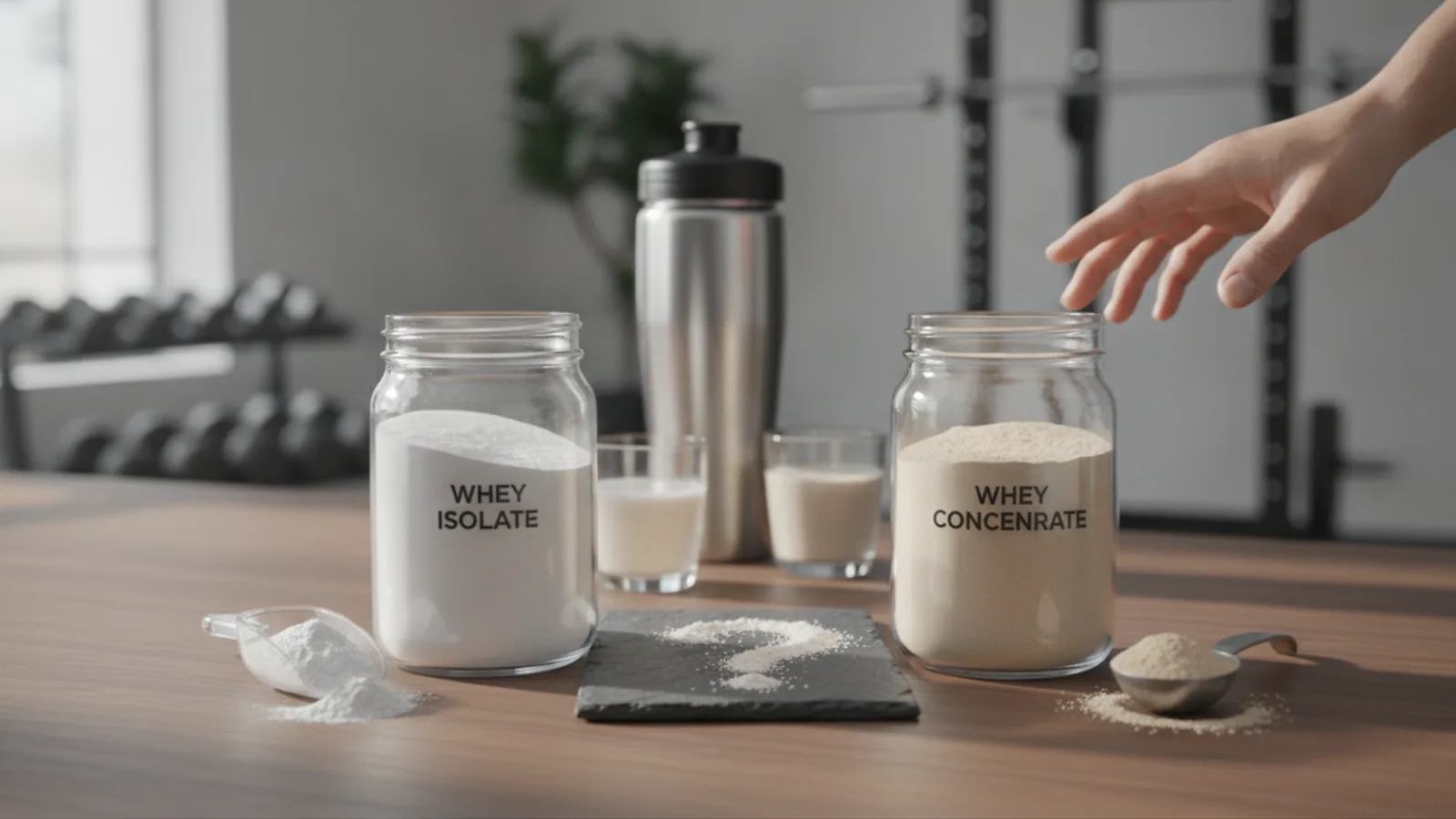
Whey Protein Isolate vs Concentrate: Which Should You Choose?
Head-to-head comparison
Overall winner: Whey Protein Isolate for its higher protein purity, minimal lactose content, and faster absorption rate.
Whey Protein Isolate is the superior choice for athletes on a strict diet, those with lactose sensitivity, and anyone prioritizing rapid muscle recovery. However, Whey Protein Concentrate offers exceptional value for money, making it the ideal starting point for beginners and individuals without specific dietary restrictions who want to boost their daily protein intake effectively.
This comparison is based on a detailed analysis of nutritional science, manufacturing processes, peer-reviewed studies on protein efficacy, and aggregated public user feedback from thousands of consumers. We evaluated both whey protein types on the metrics that matter most for muscle growth, recovery, dietary compatibility, and overall value.
At first glance, whey protein isolate and concentrate seem nearly identical. Both are high-quality, complete proteins derived from milk, essential for muscle repair and growth. The critical difference lies in the processing. Isolate undergoes extra filtration to remove most of the fat and lactose, resulting in a purer, more concentrated protein source. This refinement comes at a higher cost, making the less-processed, more affordable concentrate a compelling option for many. Our analysis shows that while isolate is technically superior, concentrate is often the more practical choice, meaning the winner isn't automatic for every buyer.
Option A
Whey Protein Isolate
- Best for: Lactose-sensitive users & lean muscle goals
- Strength: High protein purity (90%+)
- Tradeoff: Higher price per serving
Option B
Concentrate
- Best for: Budget-conscious users & general fitness
- Strength: Excellent value for money
- Tradeoff: More lactose and fat content
Head-to-Head Scorecard
Whey Protein Isolate vs Concentrate: Key Differences
Understanding the distinction between whey protein isolate and concentrate starts with how they're made. Both originate from the liquid whey separated from milk solids during cheesemaking. This liquid is then filtered to produce whey protein concentrate.
Whey Protein Concentrate (WPC): This is the first stage of filtration. It removes a significant portion of water, lactose, and fat, resulting in a powder that is typically 70-80% protein by weight. The remaining 20-30% consists of carbohydrates (from lactose) and fats. Because it undergoes less processing, WPC retains more of the naturally occurring bioactive compounds and nutrients found in milk.
Whey Protein Isolate (WPI): To create isolate, the concentrate undergoes further, more intensive processing, such as cross-flow microfiltration or ion exchange. This step isolates the protein by filtering out even more of the fat and lactose. The final product is a much purer powder, containing 90% or more protein by weight. This additional refinement is what drives up the price but also makes it a "cleaner" option for those with specific dietary needs.
In essence, the primary trade-off is between purity and price. Isolate offers higher protein content with fewer "extras," while concentrate provides a highly effective protein source at a more accessible price point, along with some beneficial milk subfractions that are lost during the isolate manufacturing process.
Measurement
Routine Fit
How a protein powder fits into your daily routine and specific fitness goals is paramount. The choice between isolate and concentrate often comes down to the level of precision your diet requires.
Whey Protein Isolate is the clear winner for athletes and individuals engaged in a "cutting" phase or following a strict low-carbohydrate or ketogenic diet. With its negligible carb and fat content (often less than 1 gram of each per serving), it allows for precise macro tracking. You can supplement your protein intake without adding unwanted calories from other sources. Its rapid absorption also makes it the ideal choice for a post-workout shake, where the goal is to deliver amino acids to hungry muscles as quickly as possible to kickstart the recovery process.
Whey Protein Concentrate, on the other hand, is a fantastic all-rounder. It's perfectly suited for those in a "bulking" phase, where the extra few calories from carbs and fat are not a concern and may even be beneficial. For the average gym-goer or someone simply looking to increase their daily protein for general health and wellness, concentrate provides a high-quality, complete protein source without the need for strict macro calculations. Its slightly slower digestion can also promote a greater feeling of satiety, which can be helpful for managing hunger between meals.
Measurement
Formula and Purity
The "formula" of a protein powder refers to its composition—primarily its protein content by weight, but also the presence of other macronutrients, vitamins, and minerals. This is where the difference between isolate and concentrate is most stark.
By definition, Whey Protein Isolate must be at least 90% protein by weight. This is its key selling point. The extensive filtration process strips away nearly everything that isn't protein. This results in a product that delivers a higher protein "payload" per scoop. If a 30-gram scoop of isolate provides 27 grams of protein, you're getting maximum efficiency. This purity is a guarantee of quality and consistency, giving buyers confidence that they are getting a potent, targeted supplement.
Whey Protein Concentrate's protein content can vary more widely, typically from 70% to 80%. A 30-gram scoop might contain 21-24 grams of protein. While this is still a substantial amount, the formula is less "pure." However, this isn't entirely a negative. The less-intensive processing means WPC retains a higher concentration of beneficial bioactive compounds like immunoglobulins and lactoferrin, which have been shown to support immune function. For those who value a more "whole food" approach, the presence of these compounds in concentrate is a significant advantage.
Measurement
Ease of Use
Ease of use for a protein powder covers two main areas: mixability and digestibility. A powder that clumps or causes digestive upset is one you're unlikely to stick with, regardless of its nutritional profile.
In terms of mixability, Whey Protein Isolate generally has the edge. The lower fat and lactose content means it tends to dissolve more easily and completely in water, milk, or other liquids. This results in a smoother, less gritty shake with less effort required for mixing. For those who often mix their protein on the go in a simple shaker cup, this can be a significant quality-of-life improvement.
Digestibility is an even more critical factor, and here isolate is the definitive winner for a large segment of the population. Lactose is the sugar found in milk, and many adults have difficulty digesting it, leading to symptoms like bloating, gas, and stomach discomfort. Since isolate has most of the lactose filtered out, it is far better tolerated by individuals with lactose intolerance or sensitivity. For them, choosing isolate isn't a matter of preference but of necessity.
Whey Protein Concentrate, containing more lactose, can be problematic for this group. However, for the majority of people who have no issue digesting dairy, WPC is perfectly fine and causes no adverse effects. Some users even prefer the slightly creamier texture that the higher fat content in concentrate can provide.
Measurement
Value
Value is a straightforward but crucial metric: how much high-quality protein are you getting for your money? While premium features are nice, budget is a primary driver for most supplement purchases.
There is no contest in this category. Whey Protein Concentrate is the undisputed champion of value. The manufacturing process for WPC is less complex and requires fewer steps than that of WPI. This lower production cost is directly passed on to the consumer, resulting in a much lower price per pound or kilogram. When you calculate the cost per gram of protein, concentrate almost always comes out ahead, often by a significant margin.
For someone consuming one or two shakes per day, the cost savings from choosing concentrate over isolate can add up to hundreds of dollars over the course of a year. This makes protein supplementation far more accessible and sustainable for students, beginners, or anyone on a tighter budget. Given that the muscle-building potential of the protein in concentrate is virtually identical to that in isolate for most people, WPC represents a point of diminishing returns for many consumers; paying the premium for isolate may not yield a proportional increase in results.
Whey Protein Isolate is a premium product, and it carries a premium price tag. The extra filtration steps add to the manufacturing cost, making it more expensive. While you are paying for higher purity and lower lactose, you are paying a significant amount more for each gram of protein. The value proposition for isolate is based on specific needs—lactose intolerance or a very strict diet—rather than raw cost-effectiveness.
Measurement
Buyer Confidence
Buyer confidence relates to the assurance that you are getting exactly what the label promises. It’s about quality control, transparency, and trusting the product to meet specific standards.
Whey Protein Isolate provides a higher degree of buyer confidence due to its tightly defined standard. For a product to be labeled "isolate," it must contain at least 90% protein by weight. This is a non-negotiable industry benchmark. When you buy a tub of WPI, you can be confident that you are receiving a highly purified product with minimal variation between brands. This consistency is valuable for consumers who rely on precise nutritional information for their diet and training.
Whey Protein Concentrate, while still a high-quality product from reputable brands, has a broader definition. The protein content can range anywhere from 35% to 80% (though most reputable supplements are in the 70-80% range). This wider spectrum means there can be more variability in the quality and purity of WPC products. Lower-quality concentrates might use a less potent form of WPC and add fillers, which can be misleading for consumers. While sticking to trusted, third-party tested brands mitigates this risk, the "isolate" label itself serves as a stronger guarantee of protein concentration.
Furthermore, because isolate is marketed as a premium, "clean" product, brands often subject it to more rigorous testing and quality control to justify the higher price point, further boosting consumer trust.
Choose Whey Protein Isolate If...
- You are lactose intolerant or sensitive. This is the most compelling reason to choose isolate. The minimal lactose content will prevent the bloating, gas, and digestive discomfort that whey concentrate can cause.
- You are on a very strict diet. If you're cutting for a competition, following a ketogenic diet, or meticulously counting every macro, isolate's near-zero carb and fat content makes it the perfect fit.
- You want the fastest possible absorption. For maximizing the anabolic window immediately post-workout, isolate's rapid digestion speed ensures amino acids reach your muscles as quickly as possible.
- You have a sensitive stomach. Even if you aren't fully lactose intolerant, the purity of isolate can make it gentler on your digestive system.
- You are willing to pay a premium for purity. If budget is not a major concern and you simply want the highest percentage of protein per scoop, isolate is the clear choice.
Choose Concentrate If...
- You are on a budget. Concentrate offers the most cost-effective way to supplement your diet with high-quality whey protein, providing the best bang for your buck.
- You have no issues digesting lactose. If dairy doesn't bother you, there is little reason from a digestive standpoint to pay the premium for isolate.
- Your goal is general health or muscle gain. For most fitness goals, including building muscle mass (bulking) and general recovery, the slightly higher carb and fat content in concentrate is negligible and may even be beneficial.
- You prefer a less-processed supplement. Concentrate undergoes fewer filtration steps, meaning it retains more of the natural bioactive compounds found in milk.
- You want a creamier texture. The slightly higher fat content in concentrate can lead to a richer, creamier shake, which many users find more palatable.
Choose Whey Protein Isolate If
- You want the stronger default fit after checking the current evidence.
- You care about broader usefulness across the main comparison criteria.
- You prefer the option with clearer decision support for most readers.
Choose Concentrate If
- Your situation matches Concentrate's narrower strength more closely.
- You prefer a simpler starting point with fewer tradeoffs to manage.
- You have verified the current details and they fit your specific priority.
Final Verdict: Whey Protein Isolate vs Concentrate
After a comprehensive analysis, Whey Protein Isolate emerges as the overall winner. Its superior purity, faster absorption rate, and near-absence of lactose make it the most versatile and effective option for the widest range of fitness goals and dietary requirements. For anyone serious about optimizing recovery, adhering to a strict nutritional plan, or who suffers from lactose sensitivity, the premium price of isolate is a worthwhile investment in quality and performance.
However, this victory comes with a major caveat: value. Whey Protein Concentrate is the champion for the everyday user. It provides a potent dose of high-quality, complete protein at a fraction of the cost of isolate. For individuals without digestive issues who are focused on building muscle and improving recovery on a budget, concentrate is not just a viable alternative; it is the most logical and practical choice. The difference in muscle-building results between the two is negligible for the vast majority of the population.
Ultimately, the right choice is personal. If your body and budget can accommodate it, isolate is technically superior. But if you're looking for an effective, reliable, and affordable protein source, concentrate remains an excellent and highly recommended option.
Whey Protein Isolate vs Concentrate: Which Should You Choose? FAQ
Is whey protein isolate better for weight loss?
Whey protein isolate can be more beneficial for weight loss primarily because it contains fewer calories from carbohydrates and fats per serving. This allows you to hit your protein targets, which promotes satiety and muscle retention, with minimal impact on your overall calorie intake. However, both isolate and concentrate can be effectively incorporated into a weight loss diet.
Can I take whey protein concentrate if I'm lactose intolerant?
It is generally not recommended. Whey concentrate contains a higher amount of lactose than isolate and is likely to cause digestive distress, such as bloating, gas, and stomach cramps, in individuals with lactose intolerance. Whey isolate, or a non-dairy protein like pea or soy, would be a much safer option.
Which tastes better, isolate or concentrate?
Taste is subjective, but many users find that whey concentrate has a slightly richer, milkier flavor and creamier texture due to its higher fat and lactose content. Isolate, being purer, can sometimes taste thinner or more watery. However, flavoring technologies have advanced significantly, and high-quality versions of both types can taste excellent.
Can I mix whey isolate and concentrate?
Yes, absolutely. Many brands sell protein blends that contain a mix of isolate, concentrate, and sometimes hydrolysate. Mixing them yourself allows you to get some of the benefits of isolate's purity and fast absorption while keeping the overall cost down thanks to the concentrate. This can be a smart, cost-effective strategy.
What is whey hydrolysate and how does it compare?
Whey hydrolysate (or hydrolyzed whey) is whey protein (either isolate or concentrate) that has been pre-digested through a process called enzymatic hydrolysis. This breaks down the long protein chains into smaller peptides, allowing for the absolute fastest absorption of all whey types. It is also the most expensive and is often used by elite athletes or in medical nutritional products. For most people, the extra speed and cost are unnecessary compared to whey isolate.
Is one better for building muscle than the other?
For the purpose of stimulating muscle protein synthesis, both whey isolate and concentrate are highly effective. They are both complete proteins with a rich profile of branched-chain amino acids (BCAAs). As long as you are consuming enough total protein throughout the day, the difference in muscle-building results between isolate and concentrate will be minimal to non-existent for the vast majority of people.