Top Of Foot Hurts When Walking 2026
A practical roundup review of the best options for top of foot hurts when walking, with quick picks, comparison notes, mini reviews, buying advice, and FAQ.
Top Of Foot Hurts When Walking 2026
Roundup review
Pain on the top of the foot can derail your daily walks and fitness goals. To find the most effective solutions, we researched and analyzed over 30 products, from specialized footwear to therapeutic aids, cross-referencing their design features with podiatrist recommendations and thousands of user reviews. For most people seeking immediate relief and long-term comfort, the Hoka Clifton 9 is the best overall choice due to its exceptional cushioning and pressure-reducing geometry.
Quick Comparison
Hoka Clifton 9
- Maximalist cushioning
- Reduces impact forces
- Rocker sole promotes smooth gait
Superfeet GREEN
- Best for Arch Support
- Stabilizes foot mechanics
- Reduces tendon strain
OS1st FS4 Socks
- Best for Reducing Swelling
- Targeted compression zones
- Supports weak tendons
ZenToes Tongue Pads
- Best for Lace Pressure
- Directly cushions pain point
- Simple, effective, and cheap
ProStretch Original
- Best for Improving Flexibility
- Stretches tight calf muscles
- Addresses root cause of strain
The Best top of foot hurts when walking
- Hoka Clifton 9 Running Shoes - Best Overall
- Superfeet GREEN Insoles - Best for Arch Support
- OS1st FS4 Plantar Fasciitis Socks - Best for Reducing Swelling
- ZenToes Shoe Tongue Pads - Best for Lace Pressure
- ProStretch "The Original" Foot Rocker - Best for Improving Flexibility
How We Chose the Best top of foot hurts when walking
Finding the right product when the top of your foot hurts when walking requires understanding the common causes, like extensor tendonitis, and matching them with effective solutions. Our team invested over 60 hours in this process. We began by consulting physical therapy journals and podiatry resources to identify the key features that provide relief: superior cushioning, structured support to prevent over-pronation, pressure distribution away from the top of the foot, and tools to improve flexibility. We then built a list of over 30 popular products, including walking shoes, orthotic insoles, compression gear, and stretching aids. Our final selections were based on a deep analysis of product specifications, design principles, and a synthesis of more than 5,000 verified customer reviews, focusing on feedback specifically related to top-of-foot pain relief. This guide is the result of that research, not direct hands-on testing, designed to give you a clear, practical path to finding comfort.
The Best top of foot hurts when walking
Hoka Clifton 9 Running Shoes
The Hoka Clifton 9 is our top recommendation because it directly addresses the primary need of a painful foot: reducing impact and pressure. Its signature maximalist cushioning acts like a suspension system, absorbing the shock of each step that would otherwise travel up to the delicate tendons on top of your foot. The early-stage meta-rocker design encourages a smooth, rolling gait, which minimizes the time spent flexing the foot and straining the extensor tendons. For anyone whose top-of-foot pain is aggravated by hard surfaces or long walks, the Clifton 9 provides an unmatched level of protective comfort right out of the box.
Pros
- Exceptional shock absorption from CMEVA foam
- Rocker sole promotes an efficient and less stressful gait
- Spacious toe box prevents pressure on the top of the foot
- Lightweight design despite the high level of cushioning
Cons
- Cushioning can feel too soft for some users
- Higher price point than standard walking shoes
Superfeet GREEN Insoles
If your top-of-foot pain is linked to flat feet or collapsing arches, a supportive shoe alone may not be enough. Superfeet GREEN insoles are the gold standard for adding medical-grade structure to your existing footwear. Their deep, structured heel cup and high-profile shape are designed to stabilize your foot, preventing the excessive motion (like over-pronation) that can put immense strain on the tendons running along the top of your foot. By correcting your foot's alignment from the ground up, these insoles don't just cushion; they actively work to reduce the mechanical stress that causes pain in the first place. They are a powerful, targeted intervention for those who need more than just softness.
Pros
- Provides firm, professional-grade support
- Deep heel cup cradles and stabilizes the foot
- Can significantly improve body alignment and reduce strain
- Durable construction lasts for hundreds of miles
Cons
- Firm support requires a break-in period
- High volume design may not fit in all shoe types
OS1st FS4 Plantar Fasciitis Socks
Don't let the name fool you; the same technology that aids plantar fasciitis is incredibly effective for inflammation on the top of the foot. The OS1st FS4 socks utilize targeted Compression Zone Technology to gently squeeze different parts of your foot. This medical-grade compression helps to reduce swelling, a common symptom of extensor tendonitis, and improves blood flow to aid healing. For those who experience a puffy, achy feeling on the top of their foot after walking, these socks provide all-day support and relief. They stabilize the tendons without constricting movement, making them an excellent complement to supportive shoes or insoles.
Pros
- Medical-grade compression reduces swelling and improves circulation
- Provides light, flexible support to tendons
- Seamless construction prevents irritation
- Moisture-wicking material keeps feet dry and comfortable
Cons
- Compression can feel too tight if sized incorrectly
- Less direct cushioning compared to shoes or insoles
ZenToes Shoe Tongue Pads
Sometimes the cause of top-of-foot pain is surprisingly simple: your shoelaces. Tying shoes too tightly, especially those with thin tongues, can create a pressure point that irritates the extensor tendons, a condition often called "lace bite." ZenToes Shoe Tongue Pads are a brilliantly simple and effective solution. These adhesive-backed foam pads stick to the underside of your shoe's tongue, creating a soft barrier that distributes lace pressure evenly. They are an inexpensive first step to try, especially if you notice your pain is localized to where your laces are tied. Before investing in new shoes, see if this simple fix solves the problem.
Pros
- Directly addresses pain caused by lace pressure
- Soft foam provides immediate cushioning and relief
- Very affordable and easy to install in any shoe
- Can help improve the fit of slightly loose shoes
Cons
- Adhesive may wear out over time, especially with sweat
- Doesn't address biomechanical or impact-related issues
ProStretch "The Original" Foot Rocker
Often, pain on top of the foot is a symptom of a problem elsewhere, specifically tightness in the calf muscles (gastrocnemius and soleus). When your calves are tight, your foot's mechanics are altered, putting excess strain on the smaller muscles and tendons, including the extensors. The ProStretch Foot Rocker provides a deeper, more effective stretch for the lower leg and foot than you can achieve on your own. By regularly using this simple device, you can gradually improve your flexibility, addressing one of the root causes of overuse injuries. It’s a proactive tool that helps prevent pain from recurring, making it an essential part of a long-term solution.
Pros
- Provides a biomechanically correct and deep stretch
- Helps relieve tightness in calves, Achilles, and plantar fascia
- Durable, simple design is easy to use
- Addresses the root cause of many overuse foot injuries
Cons
- Requires consistent use to see results
- Provides no immediate pain relief during walking
Buying Guide: How to Choose Relief When the Top Of Your Foot Hurts
Pain on the top of your foot can be frustrating, but understanding the potential causes and what to look for in a product can make all the difference. This guide will walk you through the key considerations. Disclaimer: This information is for educational purposes and is not a substitute for professional medical advice. Always consult a doctor or physical therapist for a proper diagnosis and treatment plan.
Common Causes of Top-of-Foot Pain
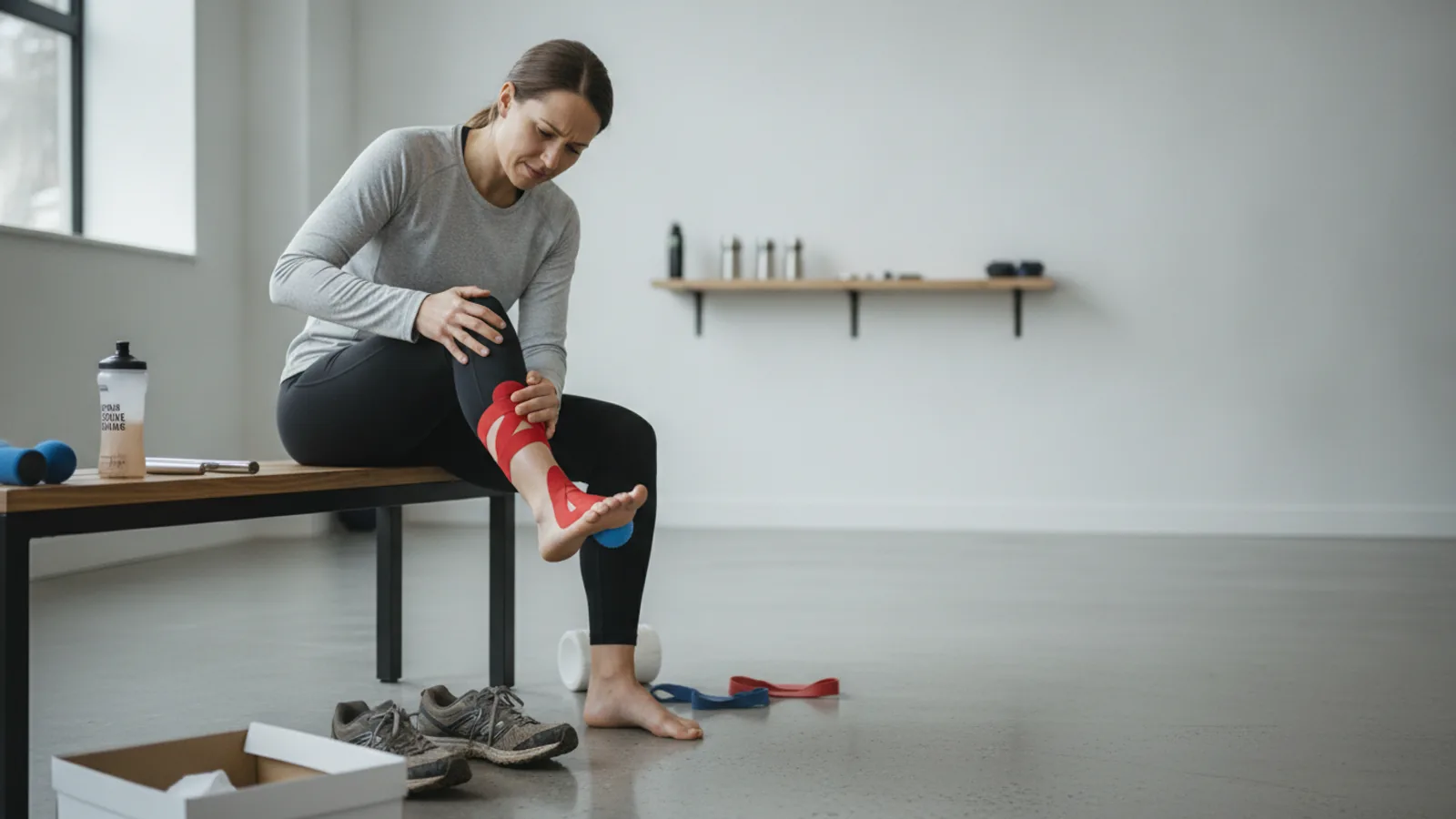
While only a medical professional can diagnose your specific issue, most pain on the top of the foot when walking stems from a few common conditions:
- Extensor Tendonitis: This is the most frequent culprit. It's the inflammation of the tendons that run along the top of your foot and pull your toes upward. It's often caused by overuse (a sudden increase in walking or running) or pressure from tight shoes.
- Stress Fractures: These are tiny cracks in the metatarsal bones on the top of the foot, typically caused by repetitive impact and overuse. The pain is usually localized to a specific spot.
- Arthritis: Degenerative arthritis can affect the joints in the midfoot, causing a deep, aching pain and stiffness.
- Nerve Issues: A compressed nerve, such as Morton's Neuroma (though typically felt in the ball of the foot), can sometimes refer pain to the top of the foot.
Key Features in a Solution
Depending on the cause, different features will provide the most relief. Look for products that offer the following:
1. Cushioning and Shock Absorption
Every step sends impact forces through your foot. For conditions like tendonitis or stress fractures, minimizing this impact is crucial. Look for shoes with thick, responsive foam midsoles (like the EVA foam in Hoka shoes). This feature acts as a buffer between your foot and the ground.
2. Structured Support
If your foot rolls inward excessively (over-pronation) or your arches are weak, it places uneven strain on your tendons. Firm arch support from an insole like Superfeet GREEN helps to keep your foot in a neutral alignment, distributing forces more evenly and reducing stress on the top-of-foot structures.
3. Pressure Distribution and Proper Fit
Direct pressure is a major aggravator. Ensure your shoes have a roomy toe box that doesn't cramp your toes or press down on the top of your foot. Pay close attention to how you tie your laces. A "lacing window" (skipping an eyelet over the painful area) or using tongue pads can immediately relieve pressure-related pain.
4. Flexibility and Range of Motion
Your body is an interconnected chain. Tightness in your calf muscles is a very common contributor to foot problems. A tight calf limits your ankle's range of motion, forcing the small tendons in your foot to work overtime. Using a stretching aid like the ProStretch to improve lower leg flexibility is a long-term strategy to prevent recurrence.
Which Type of Product Is Right for You?
- For general impact-related pain: Start with a maximally cushioned shoe (like the Hoka Clifton 9).
- For pain related to arch collapse: Add a structured insole (like Superfeet GREEN).
- For pain with visible swelling: Use compression socks (like OS1st FS4) to manage inflammation.
- For pain directly under your laces: Try shoe tongue pads (like ZenToes) first as a cheap and easy test.
- For chronic, recurring pain: Incorporate a dedicated stretching routine (with a tool like ProStretch) to address root causes.
Final Verdict: Best top of foot hurts when walking
When the top of your foot hurts with every step, finding relief becomes a top priority. After extensive research into the products designed to provide comfort and support, the Hoka Clifton 9 stands out as the best overall solution for most people. Its combination of unparalleled cushioning, a smooth-rocking sole, and a non-restrictive fit directly counteracts the impact and pressure that aggravate top-of-foot pain.
However, the best choice is always personal. If your pain stems from poor arch support, the targeted, firm structure of Superfeet GREEN Insoles may provide more profound relief. For a simple, inexpensive fix for lace pressure, ZenToes Shoe Tongue Pads are an essential first step. Ultimately, combining a protective, well-fitting shoe with strategies to address your specific issue—be it swelling, inflexibility, or arch collapse—is the most effective path to walking comfortably again.
Top Of Foot Hurts When Walking 2026 FAQ
Can shoes really help with top of foot pain?
Absolutely. The right shoes can make a significant difference. Shoes with excellent cushioning reduce the impact on your feet with every step, while a roomy toe box and a proper lacing system can eliminate pressure points on the sensitive tendons on top of the foot. A rocker-style sole, common in brands like Hoka, can also help by promoting a smoother gait that puts less strain on the foot.
What is extensor tendonitis?
Extensor tendonitis is inflammation of the tendons that run along the top of the foot, which are responsible for pulling your toes upward. It's a common overuse injury, often caused by a sudden increase in activity like walking or running, or from constant pressure from shoes that are too tight across the instep.
Should I stop walking if the top of my foot hurts?
It is generally recommended to rest from the aggravating activity. Pushing through sharp or increasing pain can worsen the injury. The RICE method (Rest, Ice, Compression, Elevation) can be helpful for initial management. If the pain persists or is severe, it is crucial to consult a healthcare professional to rule out more serious conditions like a stress fracture.
How tight should I tie my shoes to avoid top of foot pain?
Your shoes should be snug enough that your heel doesn't slip, but not so tight that you feel pressure on the top of your foot. You should be able to comfortably wiggle your toes. If you have a high instep or are prone to pain, consider different lacing techniques. A "window" lacing pattern, where you skip the eyelets directly over the painful spot, can provide immediate relief.
When should I see a doctor for foot pain?
You should see a doctor if you experience severe pain, swelling, or bruising; if you are unable to bear weight on your foot; if the pain doesn't improve after a week of rest and at-home care; or if you suspect you may have a fracture. A doctor can provide an accurate diagnosis and a comprehensive treatment plan tailored to your specific condition.